


My best-ever promotion bet was a League One side at 18/1 in September. Their squad looked thin on paper, but they had a manager who’d won promotion at that level before, a settled spine of players entering their peak contract years, and a fixture run through November that was significantly easier than the market had priced in. They went up via the play-offs in May, and that single bet returned more than any Premier League wager I placed that entire season.
EFL promotion betting is the outright market where analytical work pays off most reliably. The Championship, League One and League Two each operate under the same EFL umbrella — Sky Bet has sponsored all three divisions for thirteen consecutive seasons — but the promotion dynamics differ sharply between tiers. Understanding those differences is the foundation of any serious approach to these markets.
Championship Promotion: The Most Financially Loaded Market in English Football
A friend who works in football finance once told me that Championship promotion to the Premier League is worth a minimum of 100 million pounds in guaranteed broadcast revenue alone. That financial gravity warps every aspect of the division, from transfer spending to managerial patience, and it directly shapes how the promotion market behaves.

The Championship offers three promotion routes: two automatic places for the top two finishers and a play-off between third and sixth. Pre-season markets typically install relegated Premier League clubs as favourites, pricing them between 3/1 and 6/1. The pattern has validity — sides dropping from the top flight carry parachute payments and often retain experienced players — but it’s far from guaranteed. Roughly 40% of pre-season favourites achieve automatic promotion, which means the market consistently overprices the most obvious candidates.
The genuine value in Championship promotion outright betting sits in the 10/1 to 20/1 range: clubs with a settled manager entering their second or third full season, a core of players who’ve experienced a promotion push before, and a summer of targeted recruitment rather than wholesale squad rebuilding. I look for stability over ambition. The clubs that splash the most money in the summer transfer window are not historically the clubs that earn promotion — they’re the clubs that create the most internal disruption and need until Christmas to find their rhythm.
League One Promotion: Where Managerial Quality Decides Everything
I tracked every League One promotion winner between 2015 and 2025, and one variable stood out above all others: the manager. In the third tier, individual tactical quality at the coaching level matters more than anywhere else in the football pyramid. The squad quality is compressed — the gap between the best and worst teams is narrower than in the Championship or Premier League — and a manager who can organise a defence, maximise set pieces, and manage a tight squad through 46 matches has a disproportionate impact on outcomes.
League One promotion markets open with less liquidity than the Championship, which means the odds are wider and the overround is higher. That’s bad for the bookmaker’s margin but good for finding value, because the pricing algorithms are less refined at this level. The UK’s 10% online sports betting participation rate translates into millions of casual bettors who focus almost exclusively on the Premier League, leaving the League One outright market relatively untouched by sharp money.
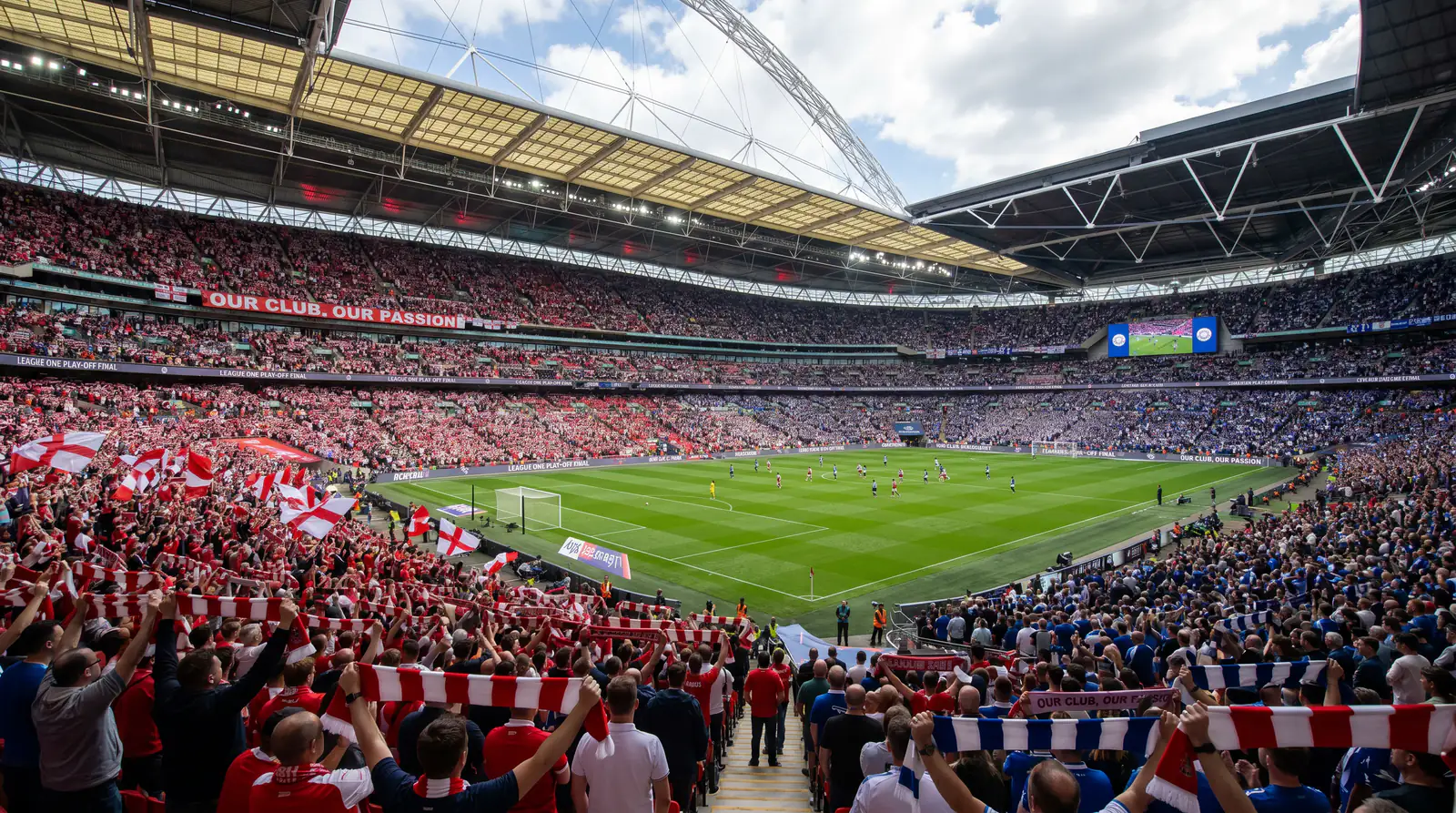
The play-off dynamic in League One is particularly volatile. I’ve seen clubs finish sixth by a single point, ride an emotional wave through the semi-finals, and win at Wembley against a side that finished fifteen points above them. If you’re betting on League One promotion, the each-way option covering automatic and play-off routes is almost always the smarter structure compared to a straight “to be promoted” bet, because the play-off route introduces variance that the odds don’t fully capture.
League Two Promotion: Small Margins and Enormous Variance
League Two is the EFL division where promotion betting requires the most patience and the most local knowledge. Twenty-four clubs fighting for three automatic promotion spots and a play-off place, with squad budgets that vary enormously and managerial turnover that’s faster than at any other level. The UK gambling industry generated 4.5 billion pounds in gross gambling yield in Q4 2025, and only a fraction of that volume touches League Two outright markets — which is precisely why the pricing remains inefficient.

Draws are significantly more common in the lower leagues than in the Premier League, and that pattern shapes the promotion picture in ways most bettors don’t consider. A club that draws fifteen matches instead of ten has effectively traded five wins for five draws — a difference of ten points that can separate automatic promotion from a mid-table finish. I look for League Two sides with the lowest draw rate among the top eight clubs, because that metric correlates with the ability to convert tight matches into wins rather than stalemates.
The under 2.5 goals market is one of the most reliable in League Two away fixtures, and that same defensive tendency means promotion contenders in this division tend to be built on defensive solidity rather than attacking flair. When I’m assessing League Two promotion candidates, I weight clean sheet percentage and goals conceded per match more heavily than goals scored. The teams that go up from League Two almost always have the best defensive records in the division, not the best attacking ones.
Timing and Staking Across the Three Divisions
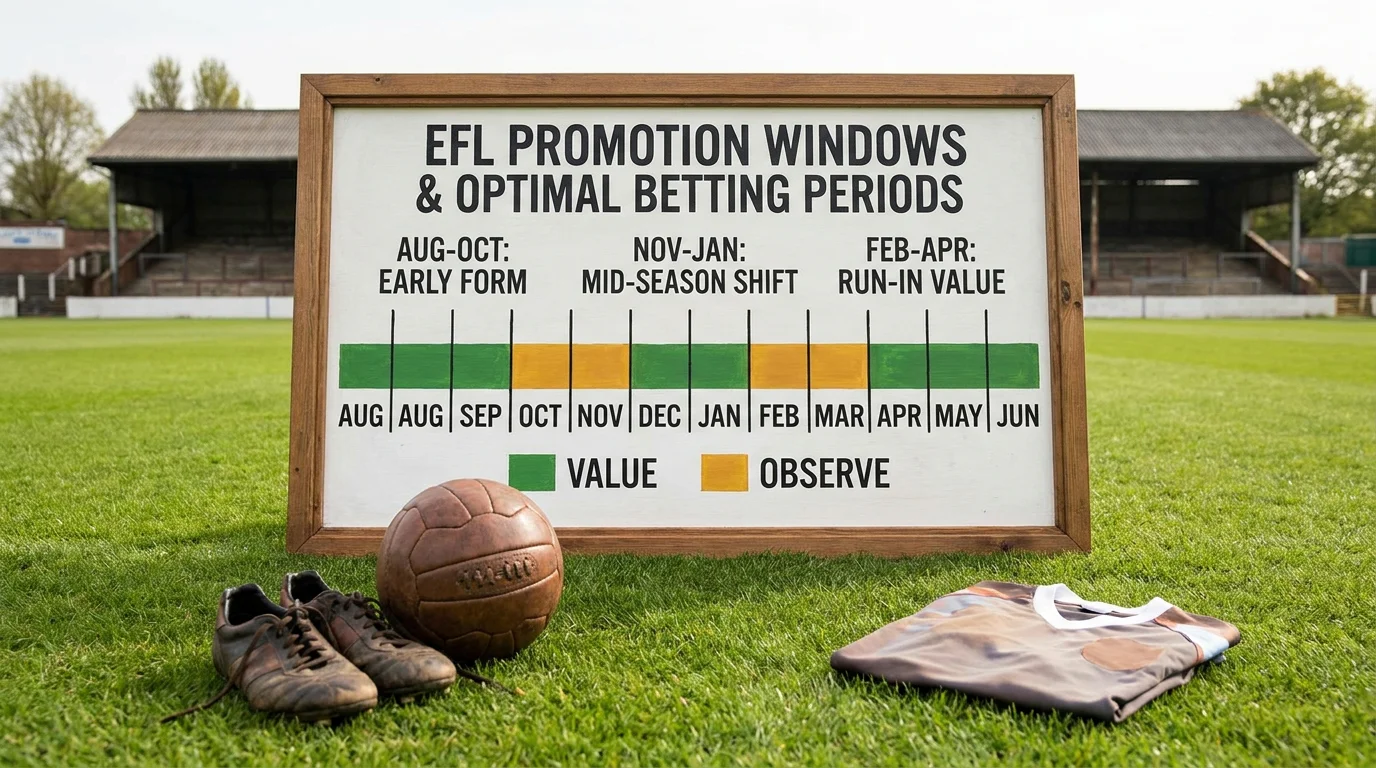
The optimal timing for EFL promotion bets differs by division. In the Championship, I place my primary bet in October after the first international break, when the opening-month noise has cleared and the table starts to reflect genuine quality rather than scheduling quirks. In League One, I wait until November, because the smaller squads mean early-season injuries can reshape the picture more dramatically. In League Two, I take two bites: a small pre-season position on my conviction pick, followed by a reassessment in January once the transfer window activity clarifies each club’s ambitions.
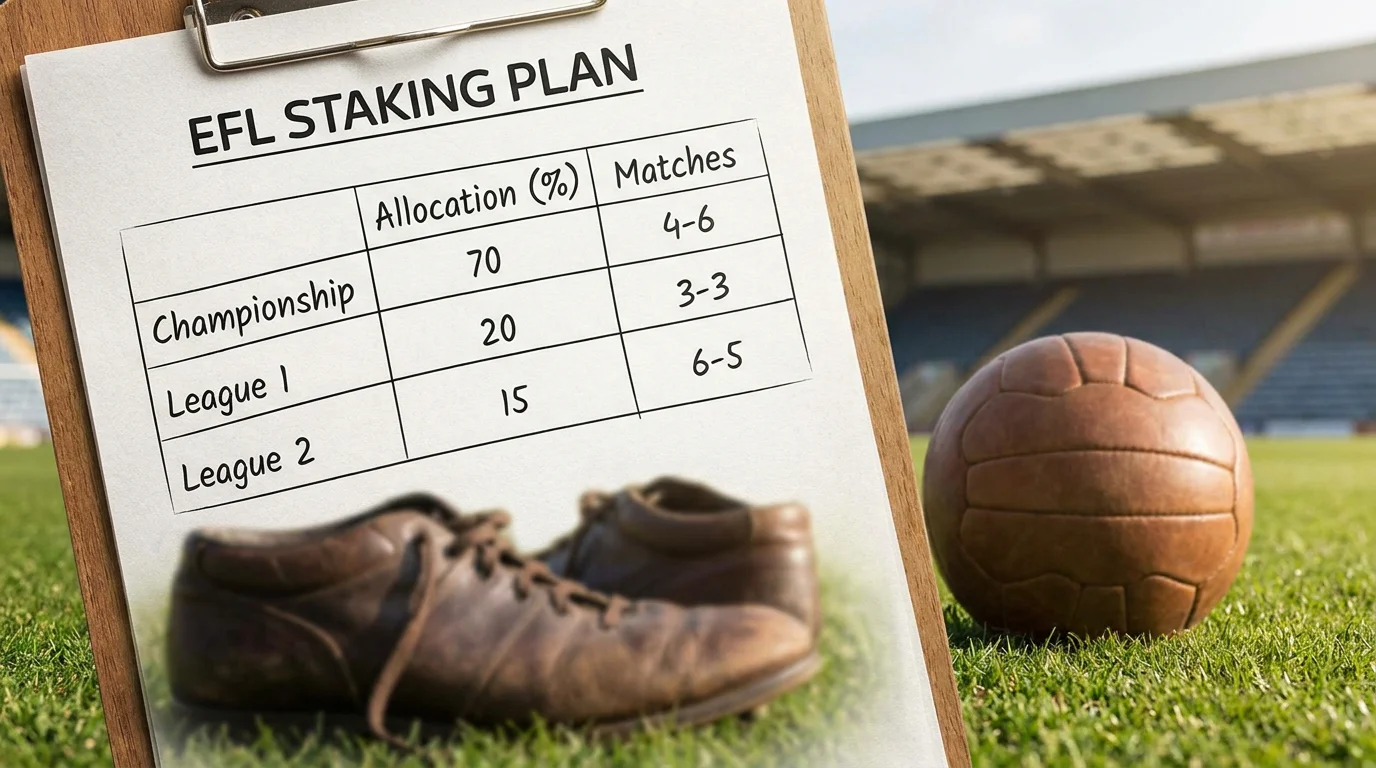
Staking is where discipline matters most. I allocate my outright betting bankroll across all three divisions — roughly 50% to the Championship, 30% to League One, and 20% to League Two — reflecting both the market depth and the confidence level in my analysis. No single promotion bet exceeds 2% of my total season bankroll. The variance across a 46-match season is too high, and the sample size of one promotion race per year is too small, to justify larger positions regardless of how confident the analysis feels.
For the complete picture of how the Championship, League One and League Two differ as betting propositions — including match betting patterns, market depth and value identification — EFL betting covers all three divisions in a single analytical framework.
Articles
Prepared by the leaguebettips.com editorial staff.
