


Two seasons ago, I backed a player at 16/1 for the Premier League Golden Boot purely because he’d been assigned penalty duties after his club’s regular taker was sold in the summer. He finished with 19 goals — four of them penalties — and won the award. My analysis had nothing to do with his open-play talent and everything to do with a single tactical fact that the market hadn’t priced into his pre-season odds. Top scorer betting rewards this kind of granular research more than almost any other outright market.
Football generates £1.1 billion in gross gambling yield in the UK, and the Golden Boot market is one of the showcase outright bets that bookmakers promote throughout the season. Unlike match betting, where the outcome resolves in 90 minutes, top scorer is a marathon: 38 matchdays, injuries, suspensions, tactical changes, and transfers can all reshape the race. That extended timeframe means information advantages compound over months, making this a market where dedicated analysis genuinely pays.
How the Golden Boot Market Works
The bookmaker lists 30-50 players with odds reflecting each one’s probability of finishing as the league’s top scorer. Favourites typically price at 3/1 to 5/1, and the market extends to 100/1+ for players at unfashionable clubs or in less prolific positions. Settlement is based on league goals only — FA Cup, League Cup, and European goals don’t count.
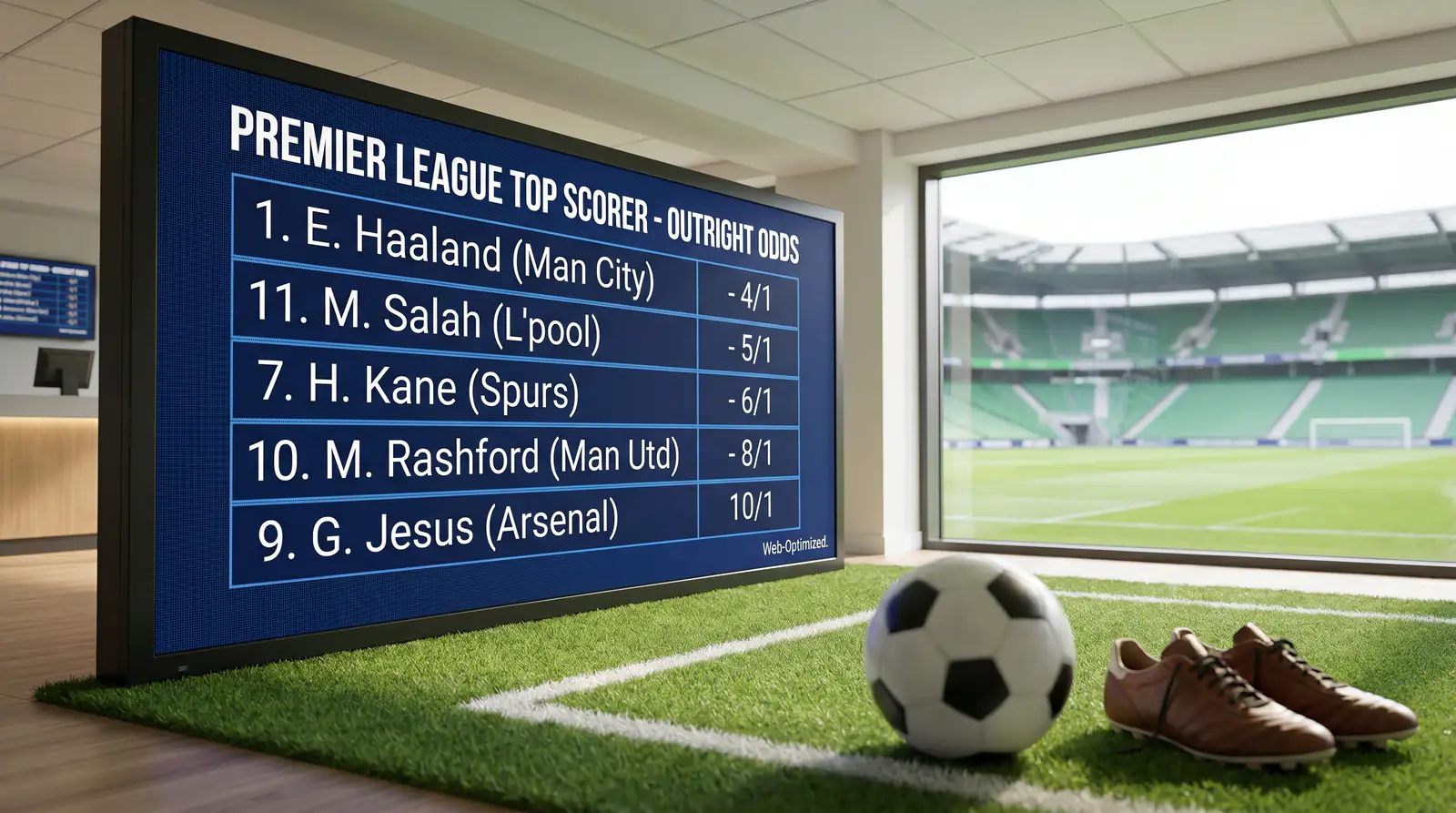
Dead-heat rules apply if two or more players finish on the same tally. Your odds are divided by the number of players sharing the top position. If you backed a player at 10/1 and they tie for the Golden Boot with one other player, your effective odds become 5/1. Dead heats are surprisingly common — roughly one in four recent Premier League seasons has ended with a shared top scorer — and this possibility should factor into your staking.
Key Analytical Factors Behind Golden Boot Odds
The single most important variable is expected goals (xG) per 90 minutes. Live football is the most popular sport for betting among UK adults, with 6% of all adults participating, and the proliferation of xG data has transformed how analytically-minded bettors approach the top scorer market. A player averaging 0.55 xG per 90 is a far more sustainable bet for the Golden Boot than one averaging 0.40 xG who’s currently over-performing his chances.
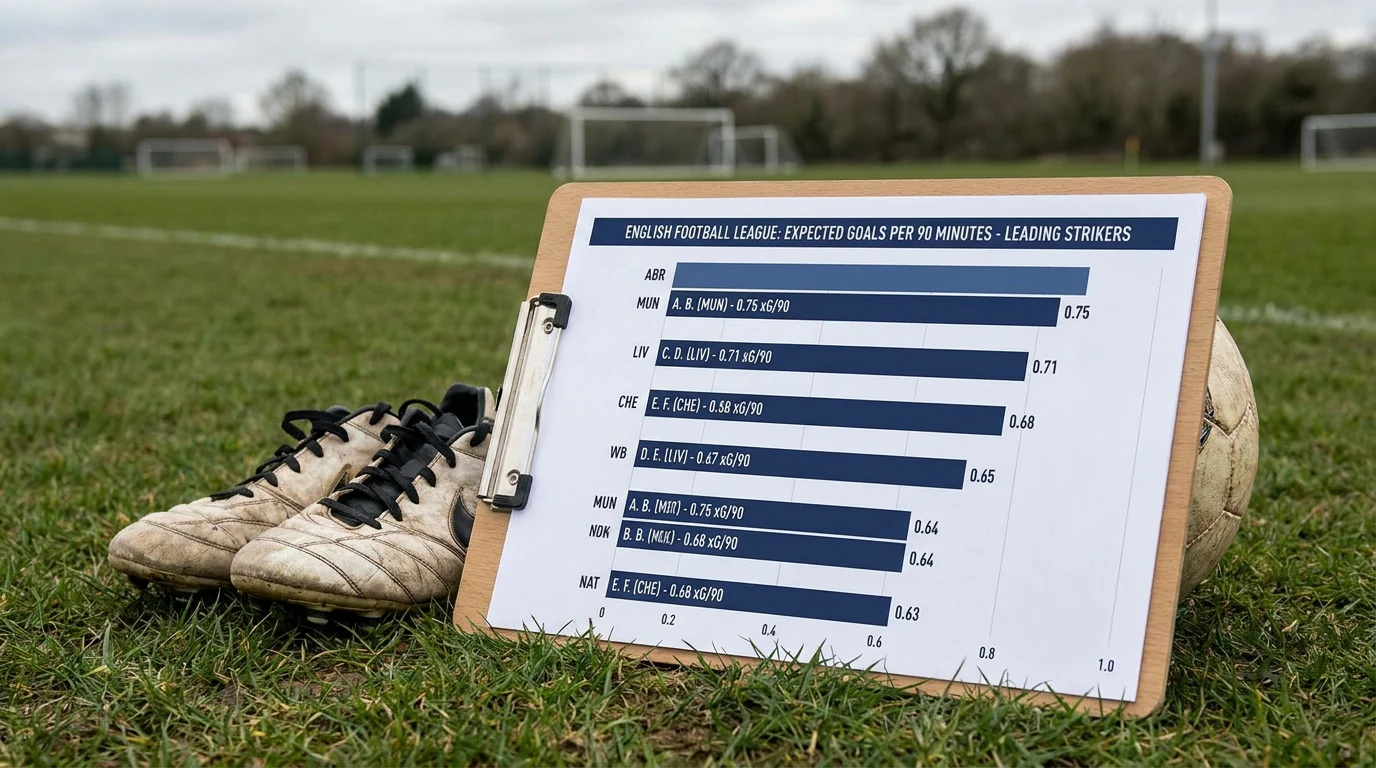
Minutes played is the second critical factor. A player who starts every match across a 38-game season has roughly 3,420 minutes to accumulate goals. A player who misses six matches to injury or rotation has around 2,880 minutes. That 16% reduction in playing time directly reduces their expected goal tally, yet the market often doesn’t adjust odds quickly enough after a player returns from a two or three-week absence mid-season.
Team quality amplifies individual output. A prolific striker at a title-chasing side will receive more chances per match than an equally talented forward at a lower-table club, simply because his team dominates possession and creates more attacking sequences. I weight team xG creation rate alongside individual player xG when assessing Golden Boot candidates.
The Penalty Factor
Penalty duty is the single highest-leverage variable in top scorer betting, and it’s consistently underweighted by the market. The average Premier League season produces around 85-100 penalties, and the designated taker at a penalty-heavy club can expect 5-8 additional goal opportunities from the spot across the season. At a conversion rate above 75%, that’s 4-6 goals that require no open-play chance creation whatsoever.

When penalty duties change — through a transfer, a miss that leads to a handover, or a new signing claiming the responsibility — the top scorer market adjusts slowly. I monitor pre-season friendlies and early-season penalty situations specifically to identify players who’ve gained or lost spot-kick duties, and I adjust my Golden Boot positions accordingly. A change of penalty taker at a top-six club can shift a player’s expected goal tally by 4+ over the season, which is worth roughly two to three points of probability in a 20-player Golden Boot market.
Timing Your Golden Boot Bet
Pre-season offers the widest prices but the most uncertainty about squad composition and penalty duties. I place my primary Golden Boot bet in September, once the transfer window has closed, opening-day lineups have clarified the manager’s preferred formation, and penalty takers have been established. The prices are marginally shorter than in July, but the reduction in uncertainty more than compensates.

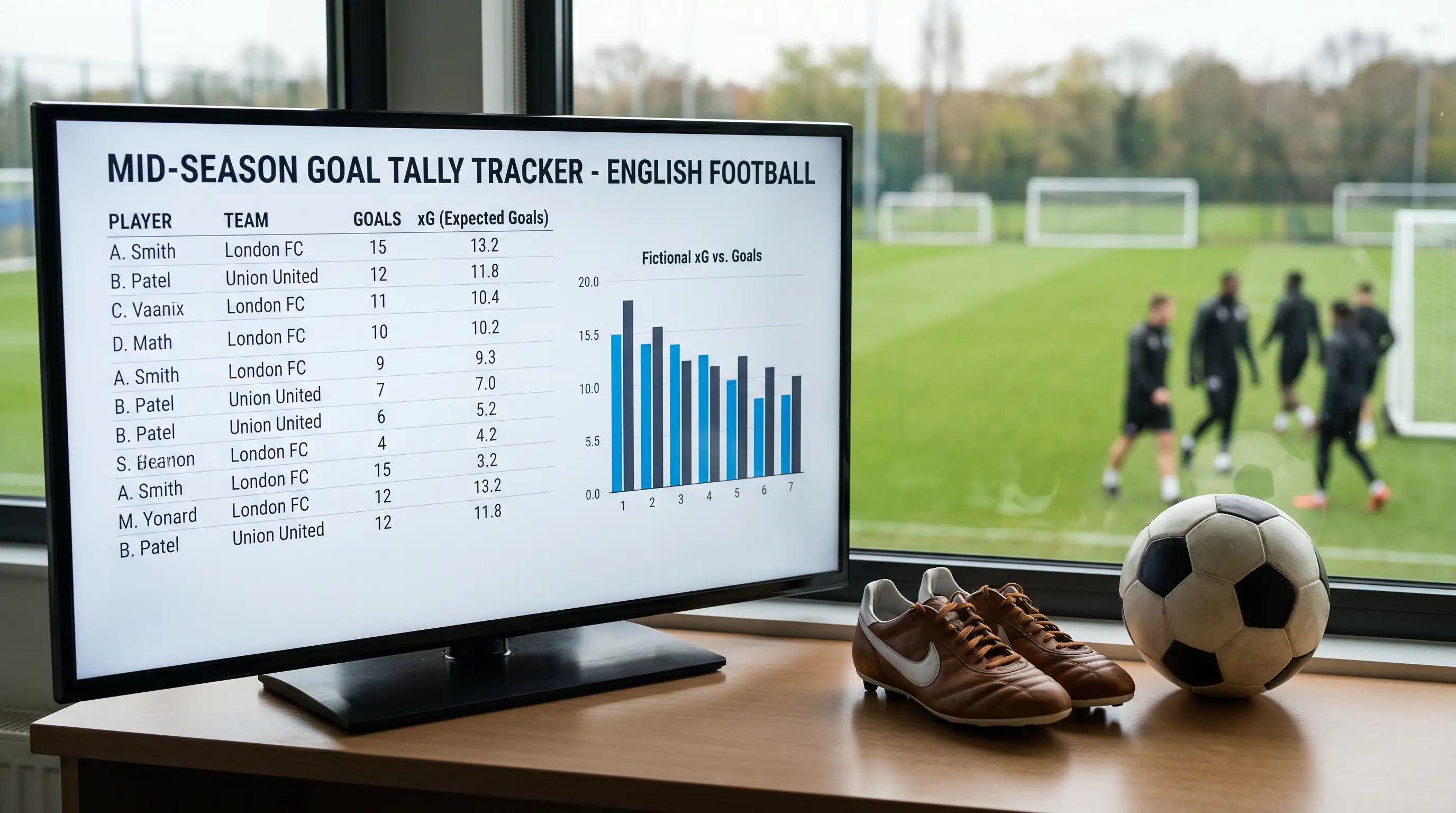
Mid-season adjustments are where the real money lives. By January, xG data covers half the season, and the correlation between xG and actual goals tightens considerably. Players who are outperforming their xG will regress; players underperforming will catch up. The market, driven partly by actual goal tallies rather than underlying data, often misprices players in both directions at the mid-season mark. I’ll add a second position at this point if a player’s xG supports a late-season surge that the odds don’t reflect.
Injury risk is the variable that no model can fully account for — and it’s the reason I never concentrate more than 2% of my season bankroll on a single Golden Boot selection. A hamstring injury in March can end a player’s challenge overnight, and the market offers no partial credit for a player who was leading at Christmas. The UK sports betting market generated $11.2 billion in revenue in 2024 and is projected to reach $21.3 billion by 2030, and outright player markets are growing faster than match betting within that total. As the market matures, the pricing is getting sharper, which means the edges that existed five years ago in obvious spots have migrated to more nuanced areas: minutes per xG, shot map clusters, and the interaction between a player’s role and their team’s late-game tactical patterns.
For a look at how goalscorer analysis applies at the individual match level rather than the season-long market, first goalscorer betting covers the tactical and statistical factors behind matchday goalscorer selections.
Articles
Prepared by the leaguebettips.com editorial staff.
