

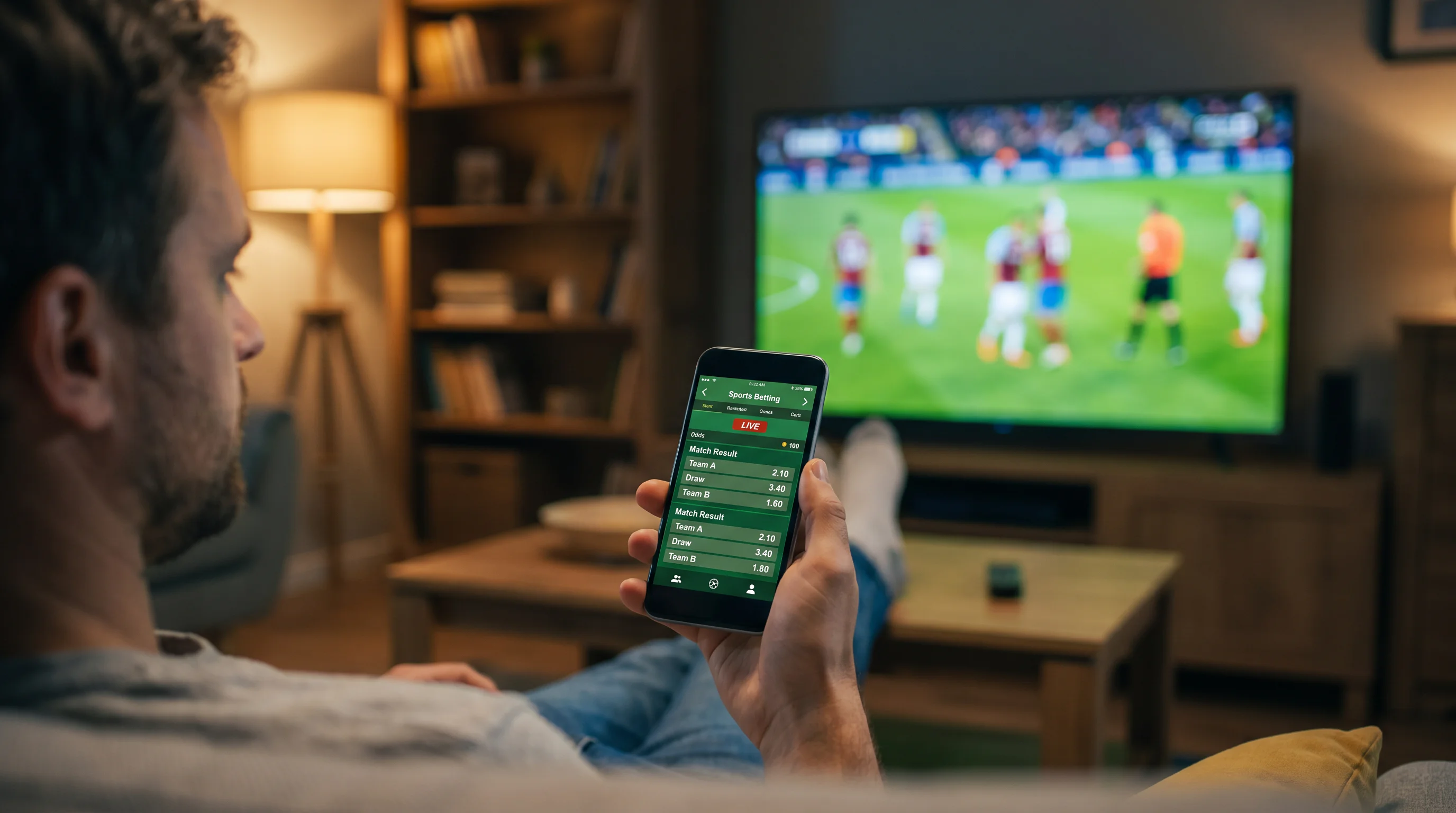
The first time I placed an in-play bet, I was reacting to a red card. Thirty seconds after the sending-off, I backed the opposing team at what felt like a gift price. They equalised within ten minutes. I felt like a genius. The problem was, I had no framework — just instinct and adrenaline. It took me two years and a fair amount of lost money to understand how live betting actually works beneath the surface.
Live betting now accounts for roughly 30% of all online sports bets placed in the UK. That’s not a niche — it’s a structural feature of the modern betting market. And yet, most bettors I speak to treat in-play as a glorified reaction test rather than a distinct discipline with its own mechanics, its own data requirements, and its own risk profile. This guide covers the mechanics of how live markets function during English football matches — not as strategy advice, but as the operational knowledge you need before any strategy becomes possible.
How Live Odds Move During a Match
Imagine you’re watching a Premier League match where the home side is priced at 1.80 pre-match. Kick-off happens, and for the first ten minutes, nothing meaningful occurs. The odds barely shift — maybe 1.82, then back to 1.79. Now a corner comes in, the home side hits the crossbar, and the price tightens to 1.70 without a goal being scored. That movement reflects the trading algorithms processing real-time data: shots, possession, expected goals within the match, and the volume of money coming in from other bettors.
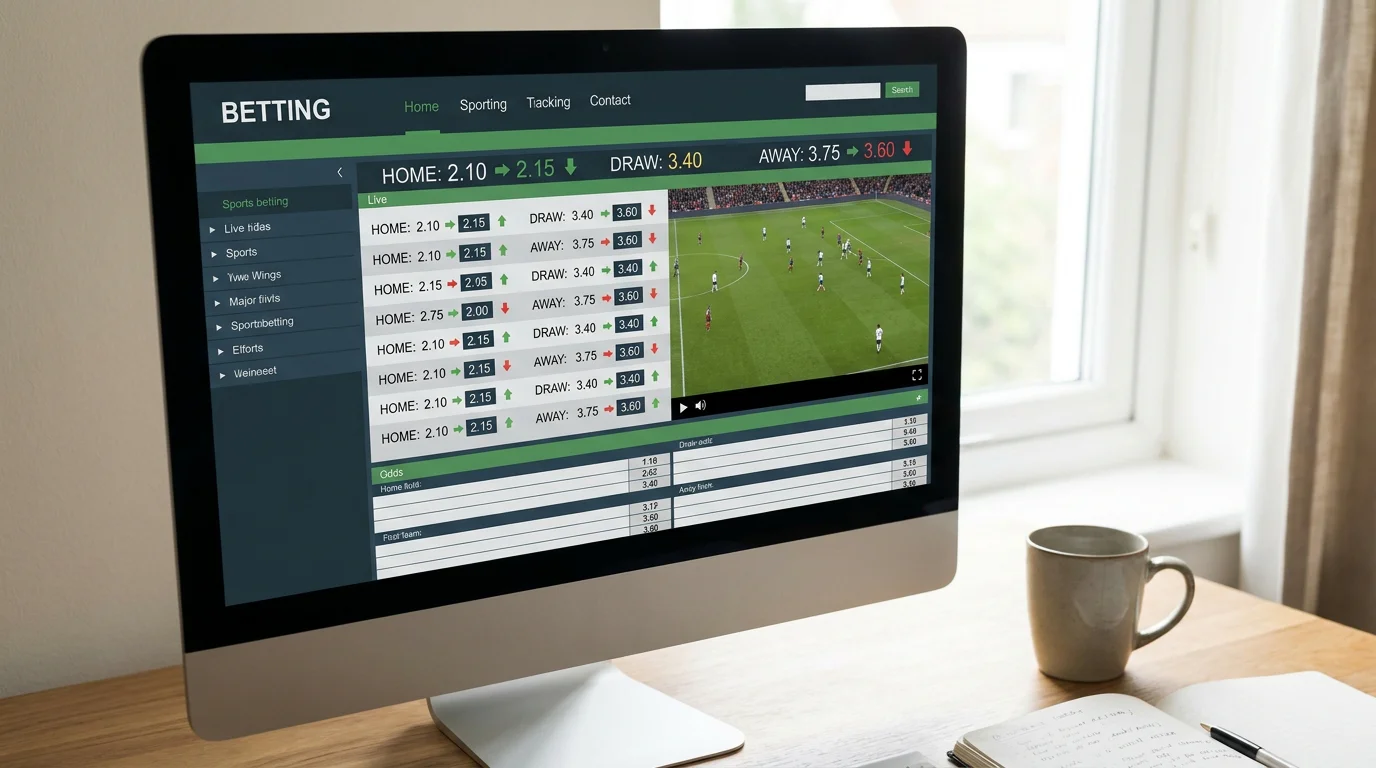
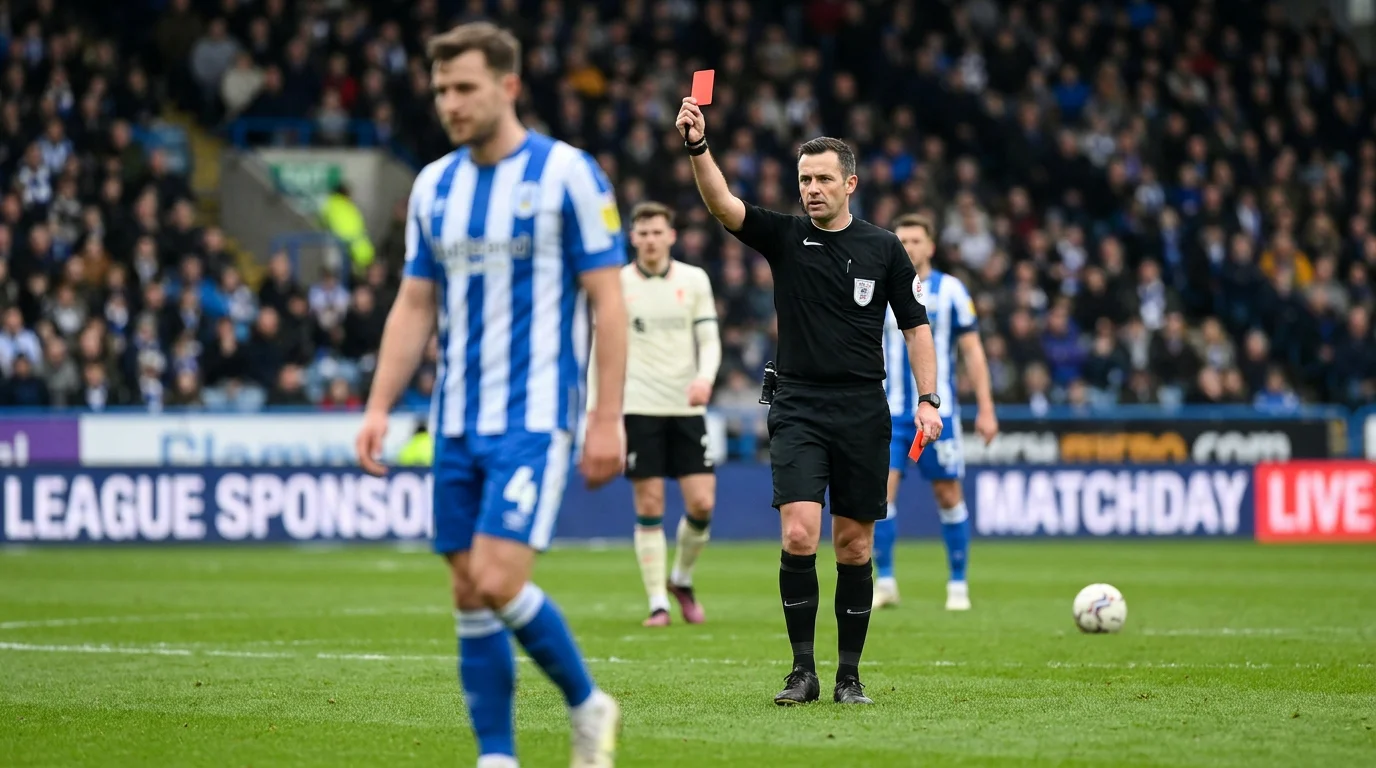
Goals are the most obvious catalyst, but they’re not the only one. Red cards, injuries to key players, and even sustained periods of pressure without a shot can shift live odds significantly. What most recreational bettors don’t realise is that the algorithms powering live odds are processing data feeds that arrive faster than any broadcast. By the time you see a dangerous attack develop on your screen, the odds have already moved. This latency gap — the difference between what the algorithm knows and what your eyes tell you — is the central challenge of in-play betting.
The speed of movement varies by market. Match result odds adjust gradually unless a goal or red card occurs. Over/under goals markets move continuously throughout the match, ticking down in implied probability as time passes without a goal. BTTS markets are binary in practice: they move sharply when one side scores and become static once both teams have found the net. Andrew Rhodes, the Gambling Commission’s chief executive, has spoken about how rapidly digital technology is reshaping the betting landscape, and live odds movement is the clearest example of that transformation in action.
Which Markets Are Available During a Live Match
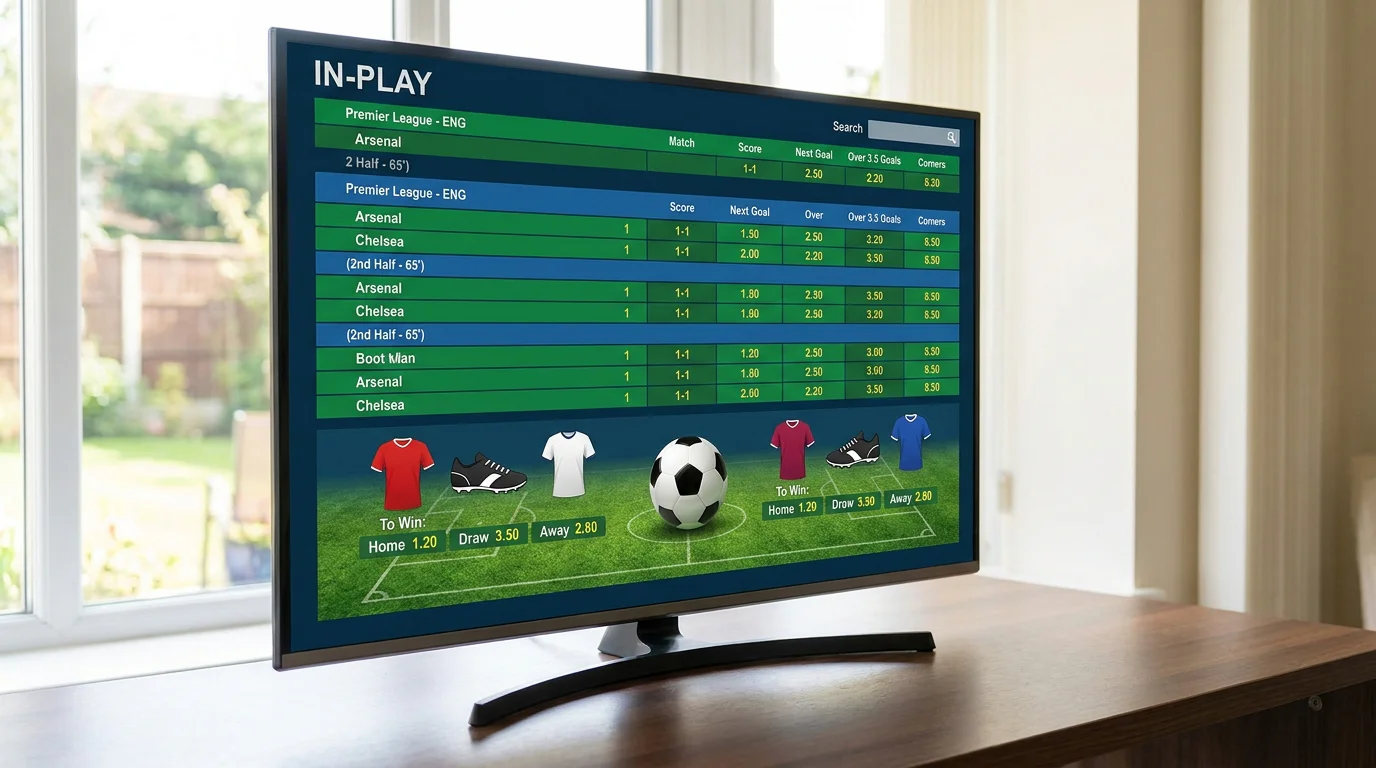
The range of in-play markets depends on the fixture’s profile. A Saturday Premier League match will typically offer 80 to 100 live markets, including match result, next goal, total goals, correct score, corners, cards, goalscorer, and various Asian handicap lines. With 290 million online bets placed on real events every month across the UK, the Premier League’s live markets account for a substantial share of that volume.
Drop to the Championship, and the live offering narrows to perhaps 40-60 markets. League One and League Two fixtures might offer 15-25, with match result, over/under goals, and next goal being the core options. Corners and cards markets are available in-play for most televised EFL matches but disappear for non-televised fixtures where the data feed is slower or less granular.
The markets that attract the most in-play money are match result and next goal. These are the highest-liquidity options, meaning the spreads are tightest and the odds reflect the sharpest pricing. Correct score in-play is popular but carries enormous margins — bookmakers widen the overround on live correct score markets because the volatility of possible outcomes increases as the match progresses.
When Live Betting Makes Practical Sense
Not every match warrants in-play engagement. I’ve narrowed my live betting to three specific scenarios that have consistently offered an edge, and I ignore everything else.
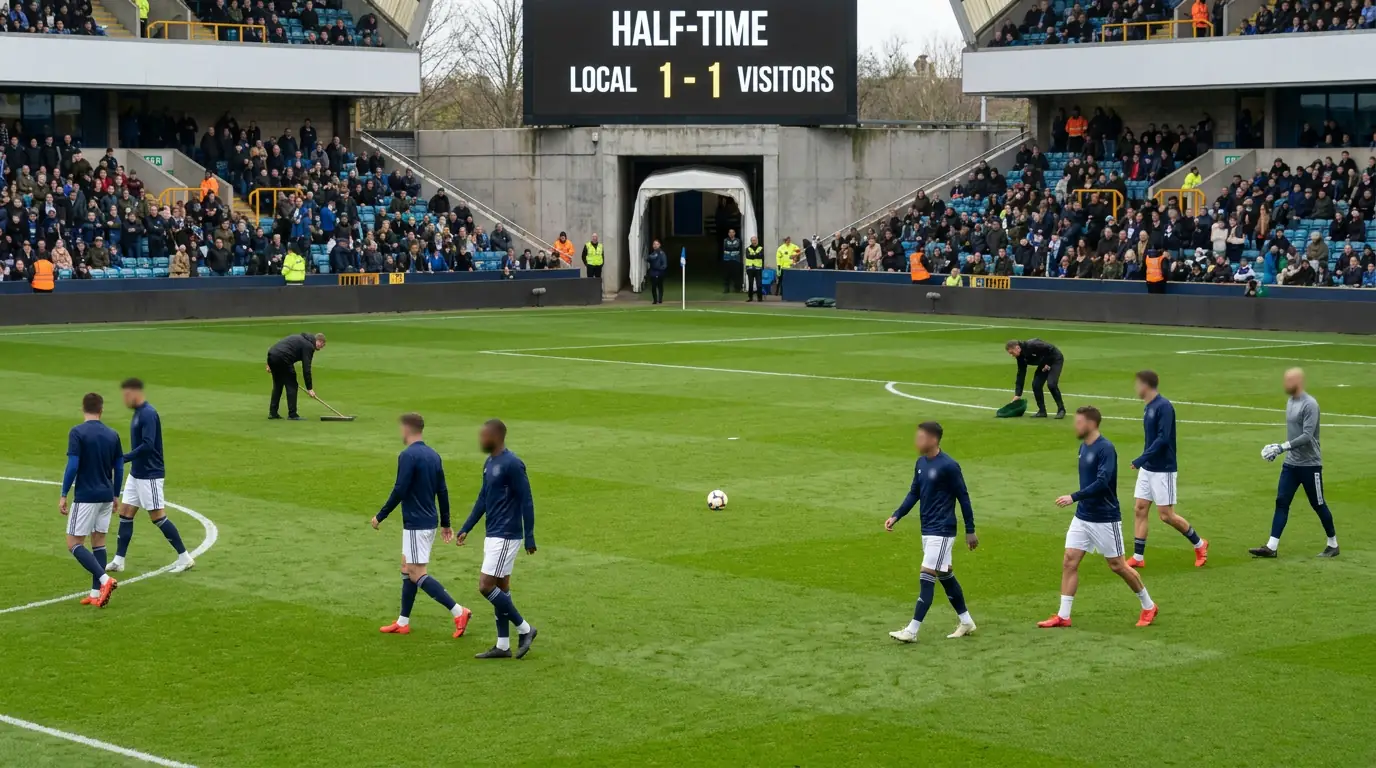
The first scenario is a clear pre-match view that hasn’t materialised by half-time. If my analysis says the home side should dominate but the match is 0-0 at the break with the away team defending deep, the second-half match result market often offers better value than the pre-match price did. The underlying thesis hasn’t changed — only the scoreline has.
The second is a game-state change. Red cards, injuries to goalkeepers, and early substitutions of key attacking players create moments where the live odds lag behind the actual shift in match dynamics. These windows are short — often less than 60 seconds — but they’re the closest thing to genuine value in live markets.
The third is the over/under goals market in the final 20 minutes. If a match is 0-0 at the 70th minute, the under 1.5 goals price has typically dropped to odds-on. But certain fixture profiles — relegation battles, dead rubbers, matches between defensive sides — push the real probability of staying goalless well above what the odds imply. This is the one area where patience and match-watching genuinely compensate for the latency disadvantage.
Risks and the Discipline Live Betting Demands
Live betting amplifies every behavioural weakness that exists in pre-match betting. The speed of decision-making compresses your thinking time. The emotional swings of watching a match while holding a position create impulsive second bets. The ability to cash out mid-match introduces a constant temptation to lock in small profits or cut losses prematurely.

I keep a hard rule: no more than two in-play bets per match, and both must be based on pre-defined scenarios I’ve identified before kick-off. If none of my scenarios materialise, I don’t bet. This approach has reduced my live betting volume by about 70% compared to my early years, and my returns have improved dramatically as a result.
For a deeper look at how live betting fits within a broader analytical framework, football betting strategy covers the integration of pre-match and in-play approaches across the English leagues.
Articles
Prepared by the leaguebettips.com editorial staff.
