


A couple of years ago, a reader emailed me about an operator they’d been using for Championship betting. The odds were sharp, the interface was clean, and the brand looked professional. One problem: they weren’t licensed by the UK Gambling Commission. The reader discovered this only after a withdrawal request was ignored for six weeks. That story isn’t unusual, and it’s the reason I start every conversation about bookmaker selection with a single question: are they UKGC licensed?
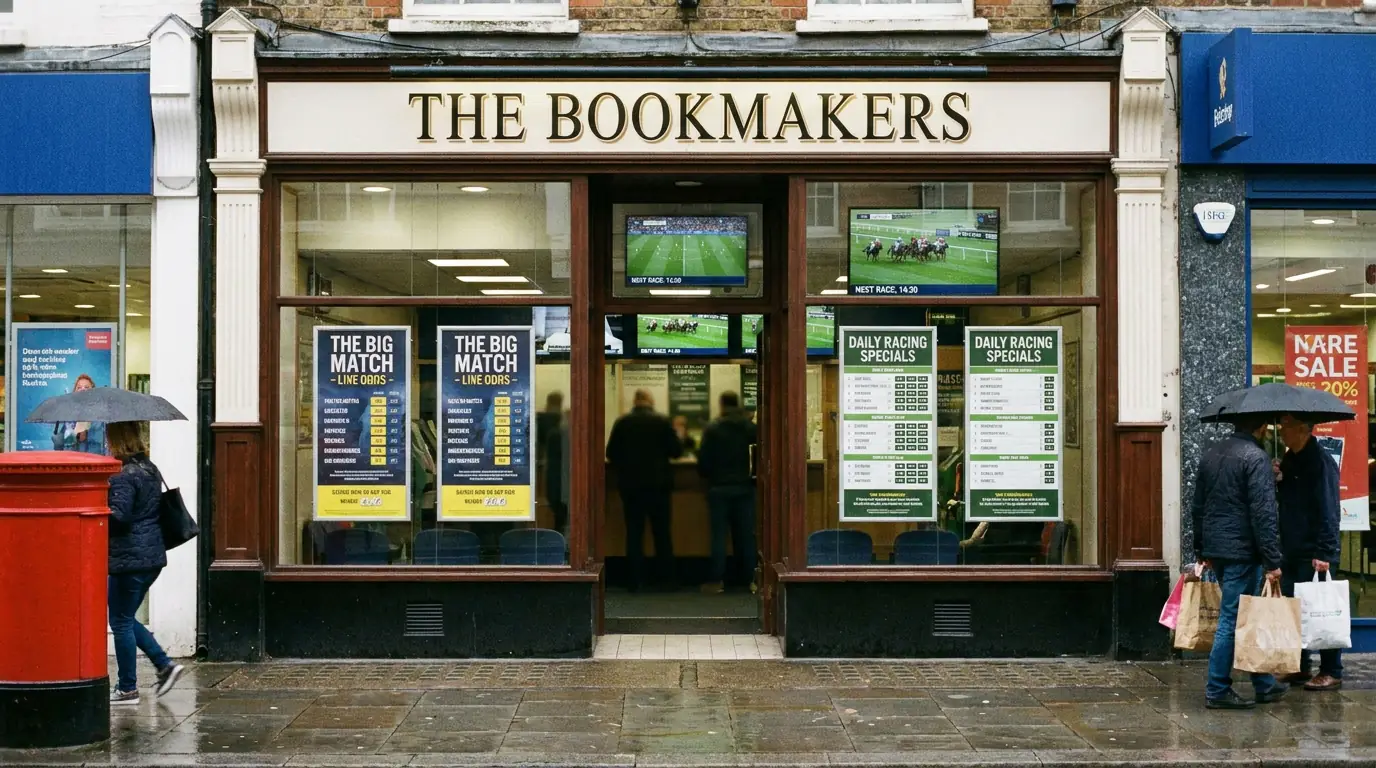
The UK has 8,148 licensed gambling premises, including 5,669 betting shops, all regulated by the Gambling Commission. The online landscape is even larger, with hundreds of remote operators holding UKGC licences to serve the British market. The licence isn’t a rubber stamp — it’s a set of legally binding conditions that govern how operators handle your money, your data, and your wellbeing.
What the Gambling Commission Actually Does
The UKGC’s remit covers three areas: keeping gambling fair, preventing crime, and protecting vulnerable people. In practice, that translates into a dense regulatory framework that touches every aspect of an operator’s business — from the algorithms that set odds to the identity checks required when you open an account.

Licensed operators must segregate customer funds from operating capital, meaning your balance is protected even if the company enters administration. They must verify your identity and age before allowing you to bet. They must offer responsible gambling tools — deposit limits, reality checks, self-exclusion — and they must respond to complaints within prescribed timeframes. None of these protections exist with unlicensed operators, and no amount of sharp odds compensates for the absence of legal recourse when something goes wrong.
The Commission also publishes quarterly industry statistics, making the UK one of the most transparent gambling markets in the world. These reports provide the data that analysts like me rely on to understand market trends, participation rates, and regulatory changes before they’re reflected in operator behaviour. The quarterly data covers everything from gross gambling yield by sector to participation rates and enforcement actions — a level of transparency that most other jurisdictions don’t come close to matching.
Enforcement is the other side of the Commission’s role. When operators breach licence conditions — whether through failures in responsible gambling implementation, money laundering controls, or advertising standards — the UKGC has the power to impose financial penalties, attach additional conditions, suspend licences, or revoke them entirely. The penalty notices are published on the Commission’s website, and I review them regularly because they reveal which operational areas the regulator is currently scrutinising most closely. That information feeds directly into my assessment of which operators are investing in compliance and which are cutting corners.
A £100 million annual statutory levy on operators, which came into force in April 2025, funds research, prevention, and treatment of gambling-related harm. This levy replaced the previous voluntary funding arrangement and represents a significant shift in how the regulatory infrastructure is financed. The money flows into NHS treatment services, academic research, and public health campaigns — a direct financial link between the industry’s revenue and its obligation to address the harm it can cause.
Types of UKGC Licences
Not all licences are equal. The UKGC issues operating licences (which allow a company to provide gambling services) and personal licences (which regulate the individuals who manage those services). For bettors, the operating licence is what matters, and it comes in several categories: remote (online), non-remote (retail), and combined.

A remote betting operating licence authorises an operator to offer sports betting online to customers in Great Britain. This is the licence type you should look for when evaluating an online bookmaker. Some operators hold licences from other jurisdictions — Malta, Gibraltar, Curaçao — but only a UKGC remote operating licence provides the full range of protections under British law. An operator with a Malta licence alone can legally serve UK customers only if they also hold a UKGC licence; operating without one is a criminal offence.
How to Verify a Bookmaker’s Licence
The Gambling Commission maintains a public register accessible through their website. You enter the operator’s name, and the register returns their licence number, status, and any regulatory actions. The entire check takes under a minute.
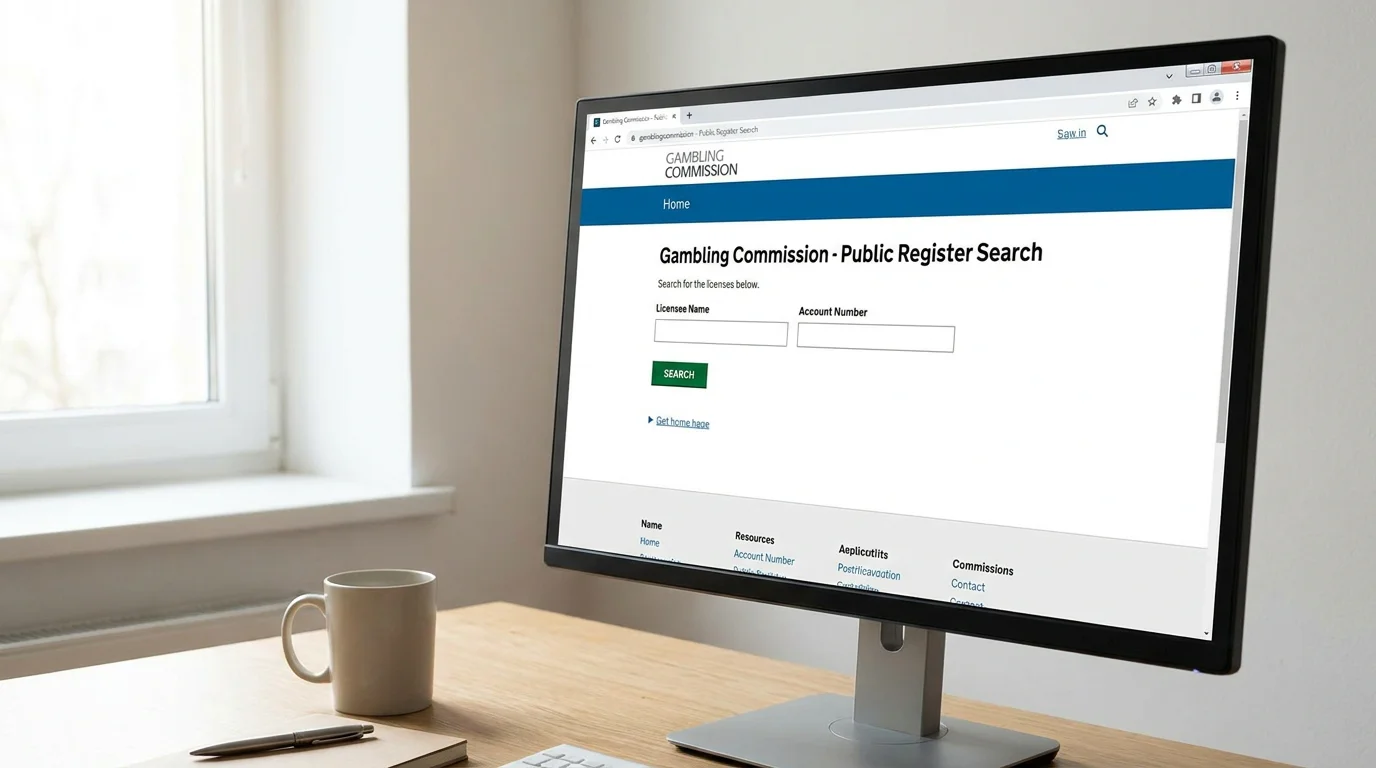
Every licensed operator is also required to display their UKGC licence number on their website and app, typically in the footer. If you can’t find a licence number, or if the number doesn’t match the UKGC register, that’s a definitive reason to take your money elsewhere. More than 200 million minutes were spent on unlicensed gambling sites during peak months in early 2025, often by bettors who didn’t know — or didn’t check — whether their operator was regulated. That figure represents real people with no consumer protection, no fund segregation, and no complaint pathway.
What Licensing Means for Your Day-to-Day Betting
Licensing affects your experience in ways you might not notice until something goes wrong. Dispute resolution, for instance: if you believe a bet has been settled incorrectly, a UKGC-licensed operator must provide access to an independent Alternative Dispute Resolution (ADR) provider. Unlicensed operators have no such obligation.

Account restrictions and closures are another area where licensing matters. Operators have the right to limit or close accounts — that’s a commercial decision, not a regulatory one. But licensed operators must explain the reason for any restriction and process withdrawal of remaining funds within a reasonable timeframe. Stories of accounts being frozen with balances locked indefinitely almost always involve unlicensed or offshore-only operators.
Advertising standards are also licence-linked. UKGC-licensed operators must comply with the Advertising Standards Authority’s codes, which restrict misleading promotions, ban targeting minors, and require responsible gambling messaging in all marketing. The practical benefit for bettors is that the offers you see from licensed operators have been through a compliance review — they may carry restrictive terms, but those terms must be presented clearly and cannot be changed retrospectively. With an unlicensed operator, there’s no such guarantee.
Data protection is a further dimension. Licensed operators must comply with UK GDPR requirements, meaning your personal and financial data is subject to strict handling, storage, and deletion rules. If an unlicensed operator is breached, your recourse is effectively zero — there’s no UK regulatory body enforcing data protection standards on a company operating outside the jurisdiction.
For a look at how regulatory requirements directly affect your account through financial checks and spending thresholds, gambling affordability checks explains the £150 net deposit trigger and what it means in practice.
Articles
Prepared by the leaguebettips.com editorial staff.
