

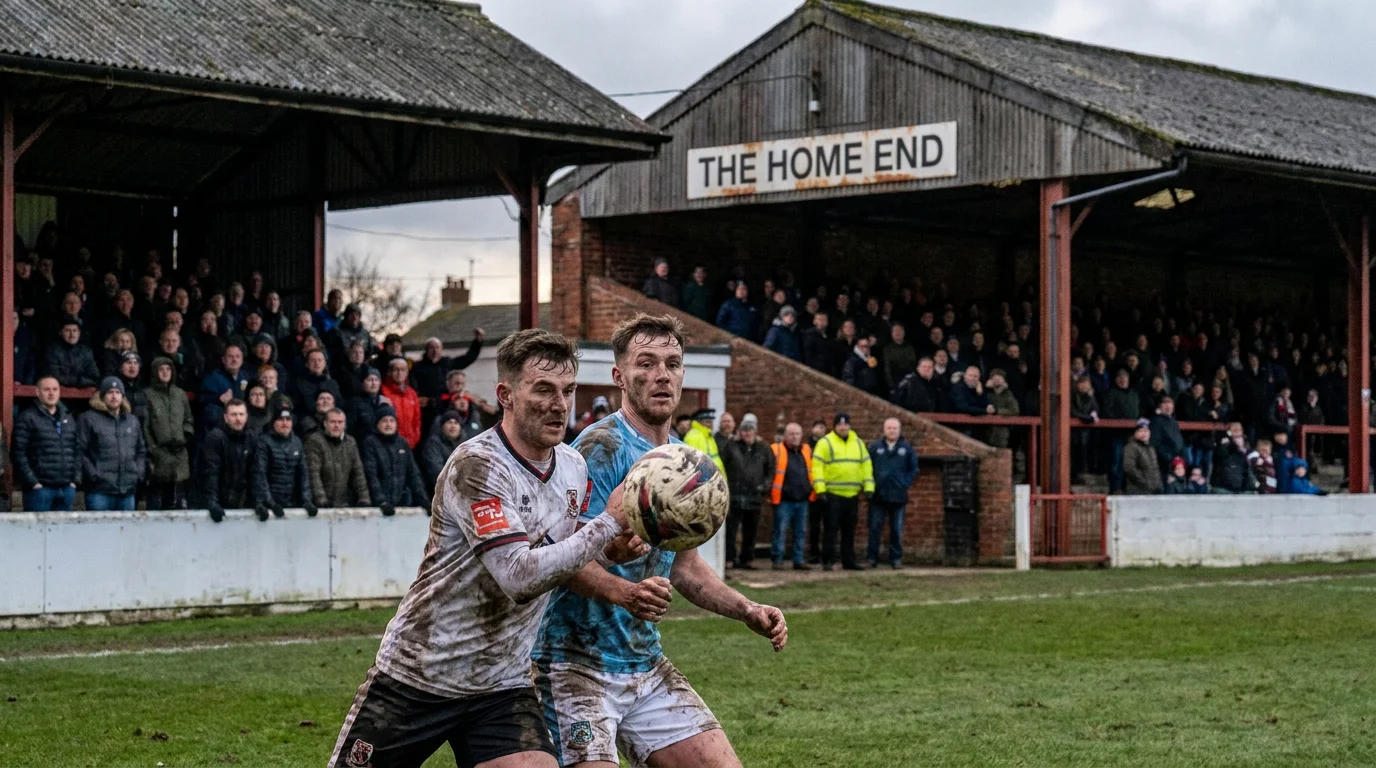
League Two is where most bettors draw the line. The coverage is thin, the data is patchy, and the markets are narrow. I get it. But I’ve been profitable in this division for six of the last eight seasons, and I’ll tell you exactly why: the bookmakers care less about League Two than about almost any other professional league in England, and that indifference creates opportunity.
The fourth tier of English football operates under the same EFL umbrella as the Championship and League One — Sky Bet’s thirteen-season sponsorship covers all three divisions — but the similarities end at the branding. League Two is a different animal. Part-time scouting departments, tiny coaching budgets, and constant squad turnover produce a level of unpredictability that algorithms struggle to model. For a human analyst with local knowledge, that’s precisely the point.
What Makes League Two Different
Twenty-four clubs fighting for three promotion places and two relegation spots into the National League. The margins at both ends of the table are razor-thin — a single win can move a club five or six places in the standings during the busy winter period. This compression means that outright markets behave very differently from the Championship or League One equivalents.
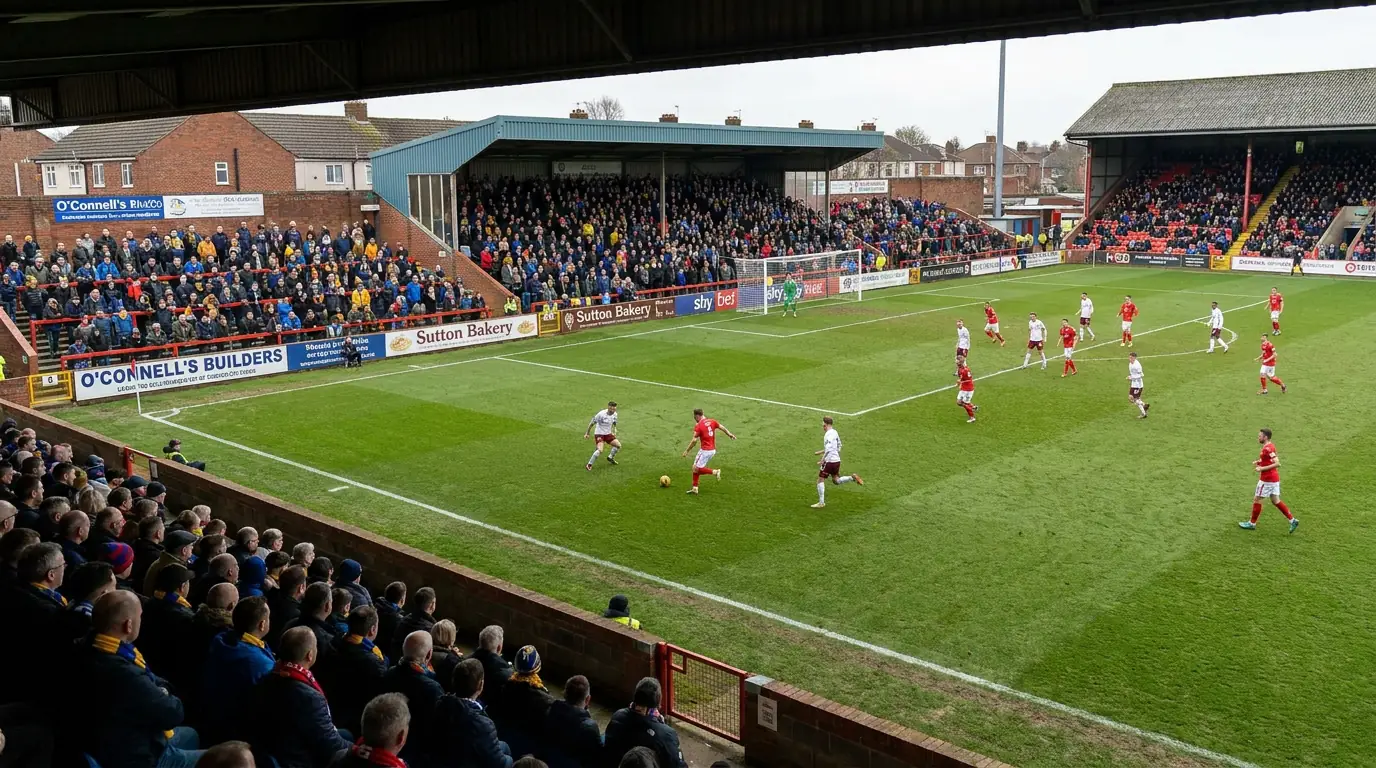
Squad depth barely exists in League Two. Most clubs carry between 20 and 24 first-team players, and injuries to two or three key performers can transform a promotion contender into a mid-table side within a fortnight. I’ve seen clubs lose their starting goalkeeper and main striker in the same week, and their match odds shift by a full point on the result market. That kind of volatility is exhausting if you’re betting emotionally, but it’s incredibly informative if you’re tracking squad availability closely.
The managerial carousel spins faster here than anywhere else in English football. League Two sacks managers more frequently per season than any other EFL division, and the immediate post-dismissal bounce — the so-called “new manager effect” — is statistically significant at this level. I factor managerial changes into my pricing model as a standalone variable, and it’s been one of the more consistent edges I’ve found.
Scoring Trends and the Under Market
Here’s the number that shaped my entire League Two approach: this division produces fewer goals per match than any other tier in the EFL. The reasons are structural rather than tactical. Lower technical quality means fewer clinical finishes from open play. More direct styles reduce the build-up sequences that create high-quality chances. And defensive organisation — while individually less talented — tends to be more rigid and harder to break down when coaches rely on shape rather than individual brilliance.
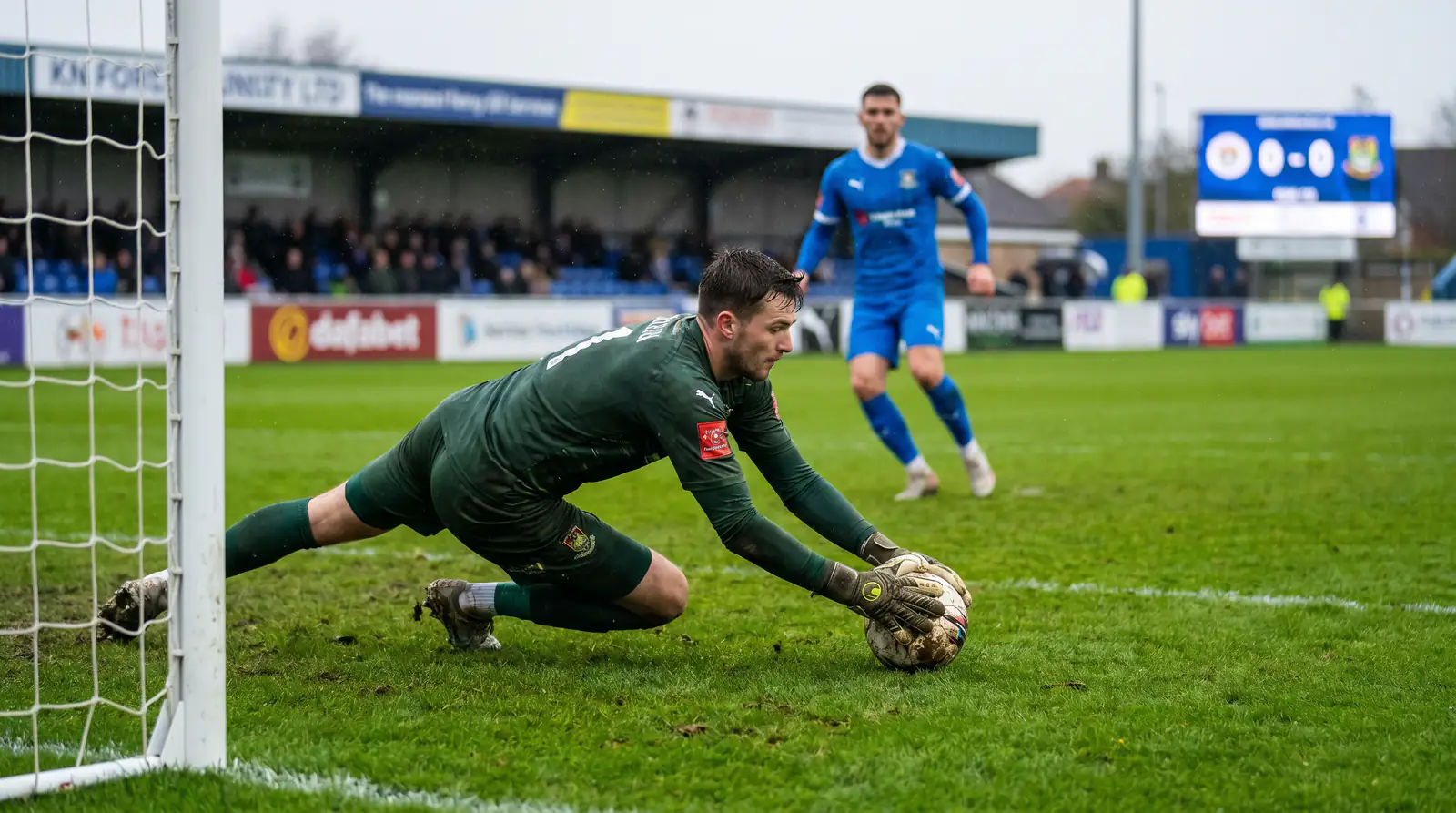
The under 2.5 goals market in League Two is not a hidden gem anymore, but it remains mispriced in specific contexts. Away fixtures between mid-table sides with nothing to play for in the final third of the season consistently produce low-scoring matches. I’ve also found that Tuesday evening fixtures at this level trend lower on goals than Saturday matches, likely due to recovery times and the practical difficulties of travelling midweek when clubs have limited budgets for overnight stays.
Draws are more frequent in the lower divisions than in the Premier League, and League Two is no exception. When I combine the under goals angle with the draw frequency data, the double chance market (draw or away) on League Two away fixtures becomes one of my preferred selections. It’s the kind of bet that wins 55-58% of the time at odds that imply 45-48%, and over a 46-game season, that differential compounds into meaningful profit.
Market Limitations You Need to Accept
There’s no point pretending League Two offers the same betting experience as higher divisions. Match result, over/under goals, BTTS, and correct score are available for most fixtures. First goalscorer and draw no bet are offered by larger operators but not universally. Bet builders are rarely available, and when they are, the selection range is narrow.

Stake limits are the most frustrating constraint. I’ve had bets of £30 rejected on League Two match result markets by operators who happily accept £500 on a Premier League fixture. If you’re a volume bettor working with small edges, this becomes a practical ceiling on how much you can extract from the division. The workaround is spreading bets across multiple bookmakers, but even then, you’ll hit limits faster than at any other EFL level.
Live betting on League Two is essentially non-existent for most fixtures. Only televised matches — and there are very few — attract meaningful in-play markets. This means your analysis needs to happen pre-match, and your positions need to be established before kick-off. For a bettor like me, who prefers the discipline of pre-match analysis over the reactive nature of live betting, that’s actually a feature rather than a limitation.
A Practical Approach to League Two Value
My League Two strategy boils down to three principles. First, specialise. You cannot casually follow 24 League Two clubs alongside a full Championship and Premier League portfolio. Pick eight to ten teams, follow their local press, track their squad changes, and build a genuine informational edge. The clubs at the extremes of the table — promotion contenders and relegation candidates — are where the odds move most dramatically and where your knowledge has the highest marginal value.

Second, respect the draw. In a division where quality is compressed and home advantage is less decisive than the market implies, backing the draw in specific fixture profiles generates steady returns. I target matches between teams ranked 8th to 18th in the table, where neither side has a strong motivation to chase the win, and the implied probability of the draw is below 28%.
Third, stay disciplined on stakes. League Two is not a division where you increase your bet size because you feel confident about a pick. The variance is too high, the information too unreliable, and the sample size too small within any single month. Flat staking at 1-2% of bankroll per bet has kept me solvent through the inevitable losing streaks that come with fourth-tier football.
For anyone exploring the bottom of the EFL, understanding how League One markets compare can sharpen your perspective — League One betting shares many of the same structural traits but with slightly deeper liquidity and data coverage.
Articles
Created by the "leaguebettips.com" editorial team.
