

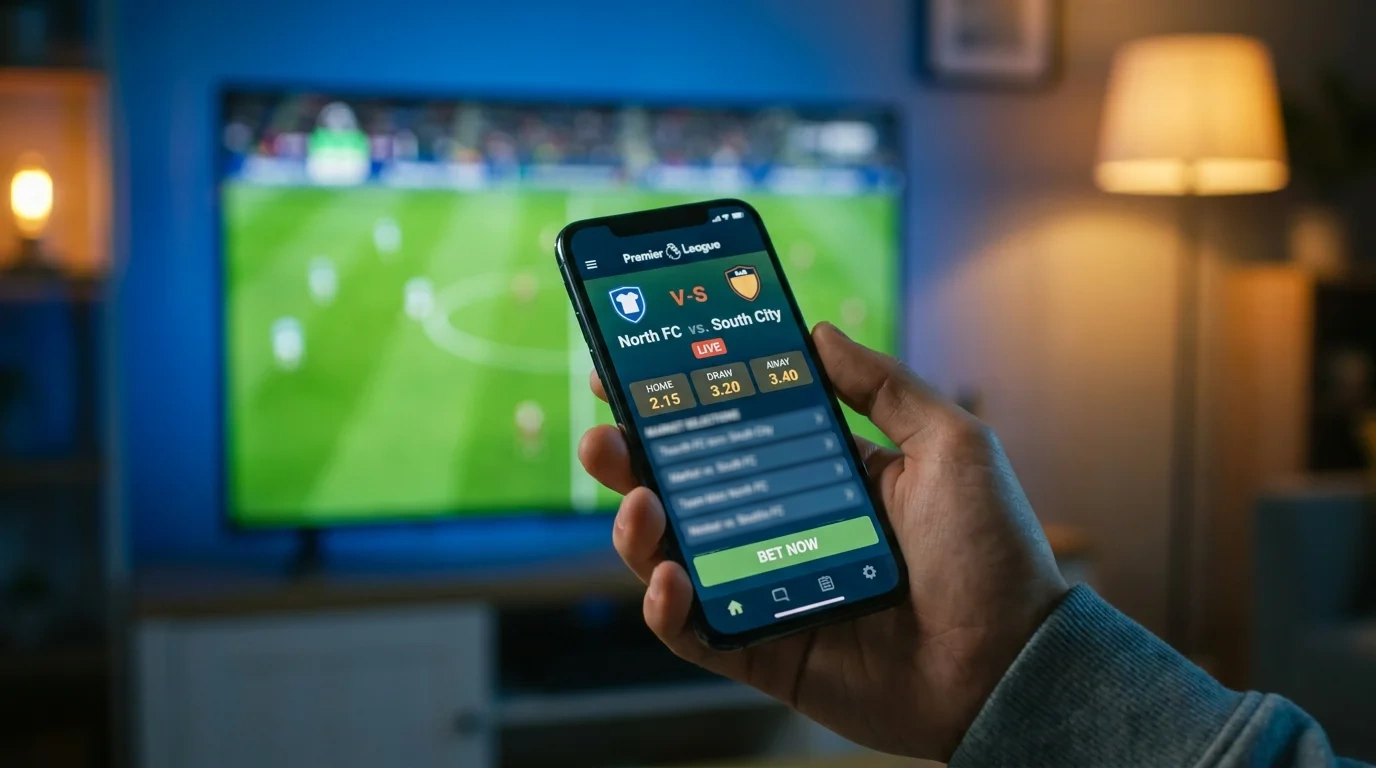
I placed my first mobile bet in 2014, hunched over a slow-loading mobile site on a 4G connection that kept dropping during a League Cup match. The bet landed, the experience was terrible, and I swore I’d stick to desktop. Within two years, I was placing 80% of my bets from my phone. The apps had caught up to the demand, and now they’ve overtaken the desktop experience entirely for most matchday activities.
Mobile devices account for 71% of all online bets in the UK, up from 58% in 2021. That shift isn’t slowing down — among 18-24 year olds, the figure reaches 76%. The betting app you use isn’t just a convenience choice. It’s the interface through which the majority of your betting decisions are executed, and the quality of that interface directly affects the quality of those decisions.
Mobile Betting Trends That Shaped the Market
The migration from desktop to mobile didn’t just change where bets are placed — it changed how they’re placed. In-play betting has surged alongside mobile adoption, because a phone in your pocket at the pub or on the sofa is the natural device for live match engagement. The bet builder feature, which barely existed five years ago, was designed mobile-first — the swipe-and-add interface works better on a touchscreen than it ever did with a mouse.
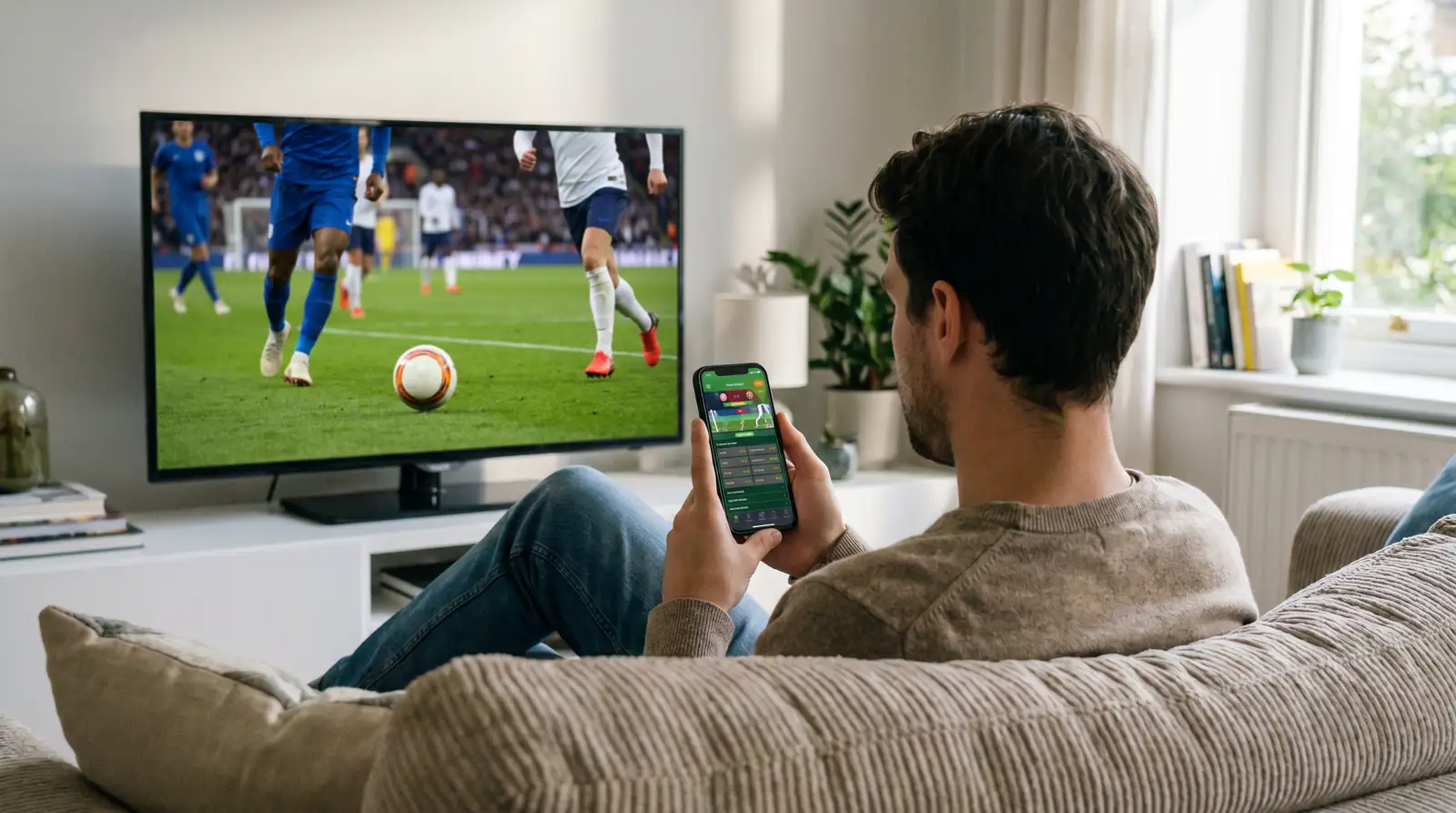
Push notifications have become a major engagement tool. Score alerts, price boost notifications, and cash out prompts arrive in real time, creating a continuous connection between the bettor and the platform. From a betting discipline perspective, this is a double-edged feature. I turned off promotional notifications on all my betting apps within the first month of using them, because the impulse to react to a “boosted odds” alert mid-match was undermining my pre-match analysis. Score alerts I’ve kept, because they’re informationally useful without being commercially manipulative.
The speed of app development has also created a gap between operators. Some bookmakers update their mobile platforms monthly, adding new features, improving load times, and expanding market coverage for lower-league fixtures. Others are still running apps that feel like 2019 relics — slow to load, clunky to navigate, and frustrating during peak-traffic periods like 3pm on a Saturday. That quality gap is widening, and for bettors who place 80%+ of their bets via mobile, the app experience is now as important as the odds themselves in determining which bookmaker gets their business.
How I Evaluate a Betting App
After testing dozens of apps over the past decade, I’ve narrowed my evaluation criteria to six factors that actually matter for football betting. Speed of odds loading comes first — if the odds take more than two seconds to refresh during an in-play market, the app is functionally useless for live betting. Second, navigation depth: how many taps does it take to reach a League One match result market from the home screen? Three is acceptable, five is poor, and anything more suggests the app is optimised for casino content rather than sports betting.
Third, bet slip stability. I’ve had apps crash during bet placement, which is not just frustrating but potentially costly if the odds move while you’re relaunching. Fourth, market range for lower-league fixtures — an app that offers 150 markets on a Premier League match but only 12 on a League Two fixture is telling you where its priorities lie. Fifth, the quality and availability of the cash out function during live matches. Sixth, the integration of responsible gambling tools — deposit limit settings, reality checks, and session time alerts should be accessible within two taps, not buried in a settings menu.
Live Streaming and In-Play Integration
Live streaming has become a competitive differentiator. Several major operators offer free streams of EFL matches to customers with a funded account or an active bet, turning the betting app into both the viewing platform and the wagering platform simultaneously. Roughly 30% of all online sports bets in the UK are placed live, and streaming integration has been a major driver of that growth.
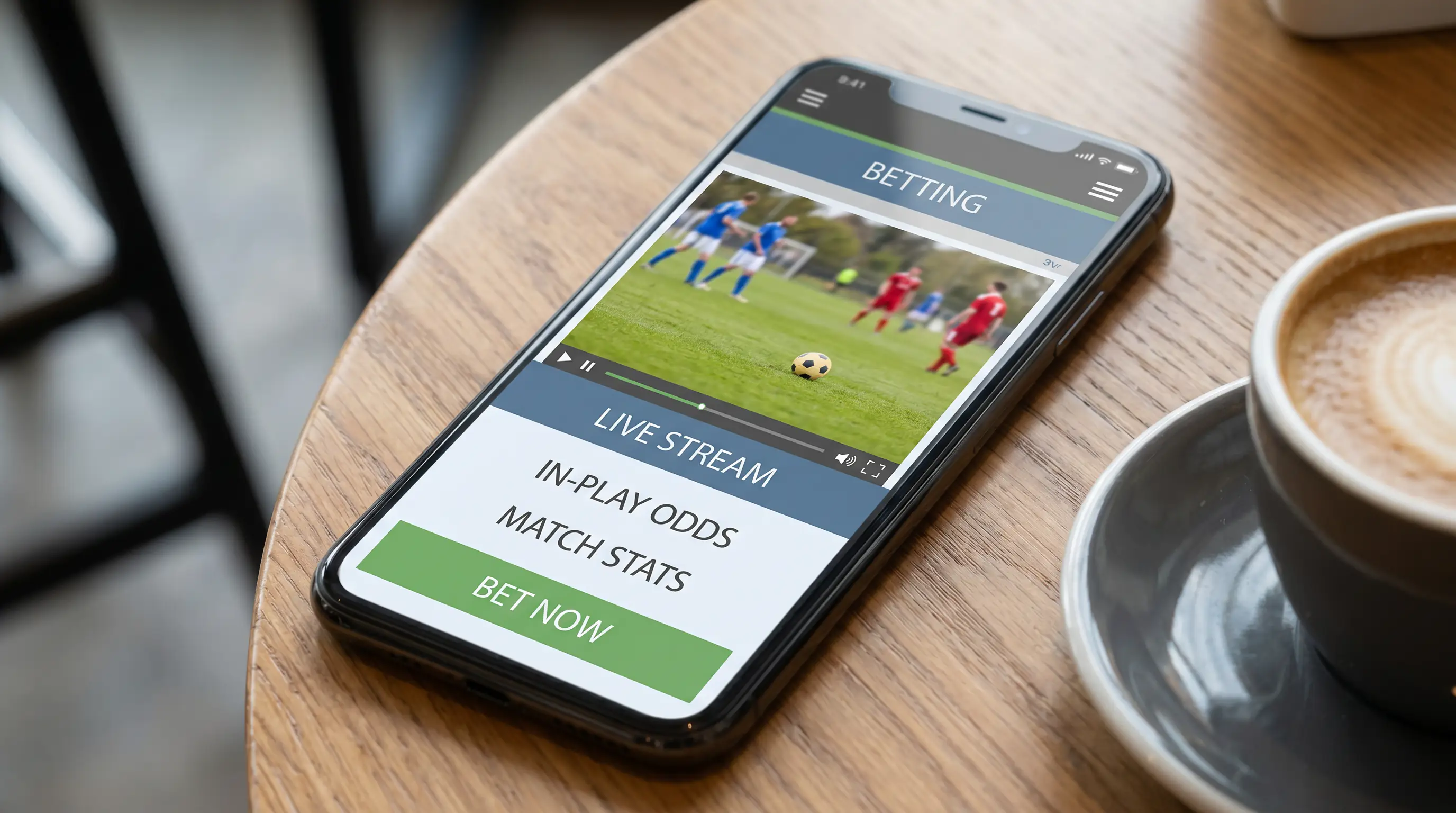
The quality of these streams varies significantly. Premier League matches are not available for live streaming on betting apps due to broadcast rights held by Sky Sports and TNT Sports. Championship, League One, and League Two matches are more commonly streamed, though coverage is inconsistent and typically limited to matches not broadcast on television. The stream quality on most apps is adequate for following the match but not sharp enough for detailed tactical analysis — I still use separate feeds for the matches I’m actively analysing.
The in-play betting interface is where app design matters most. A good in-play layout presents the current match state (score, time, cards, corners) alongside the live markets without requiring scrolling. A poor one forces you to navigate between match tracker and bet slip, costing valuable seconds in a market where odds move rapidly.
Security and Responsible Gambling Features
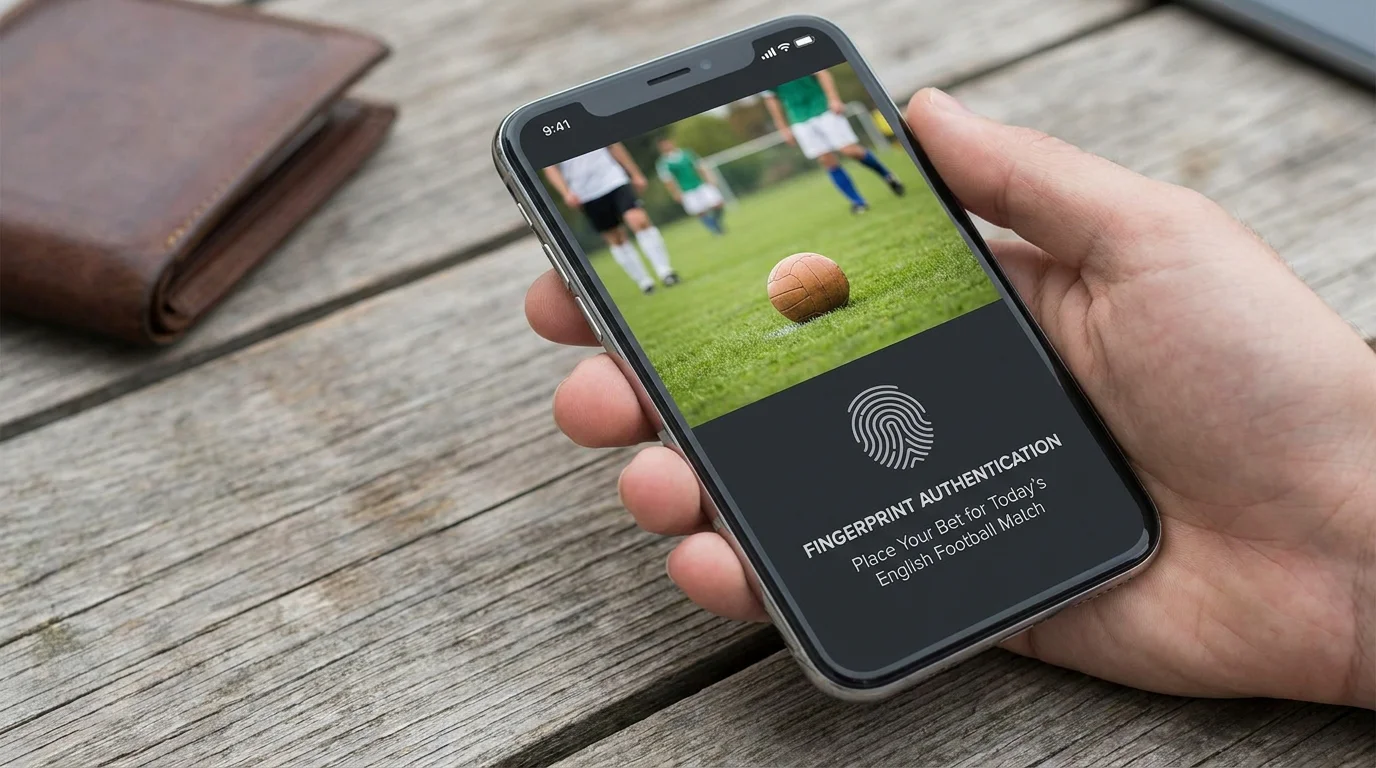
Every legitimate UK betting app is UKGC-licensed, and that licence mandates specific security and responsible gambling standards. Biometric login (fingerprint or face recognition) is now standard on major apps, and I’d consider its absence a red flag. Two-factor authentication for withdrawals adds a security layer that protects against unauthorised access.
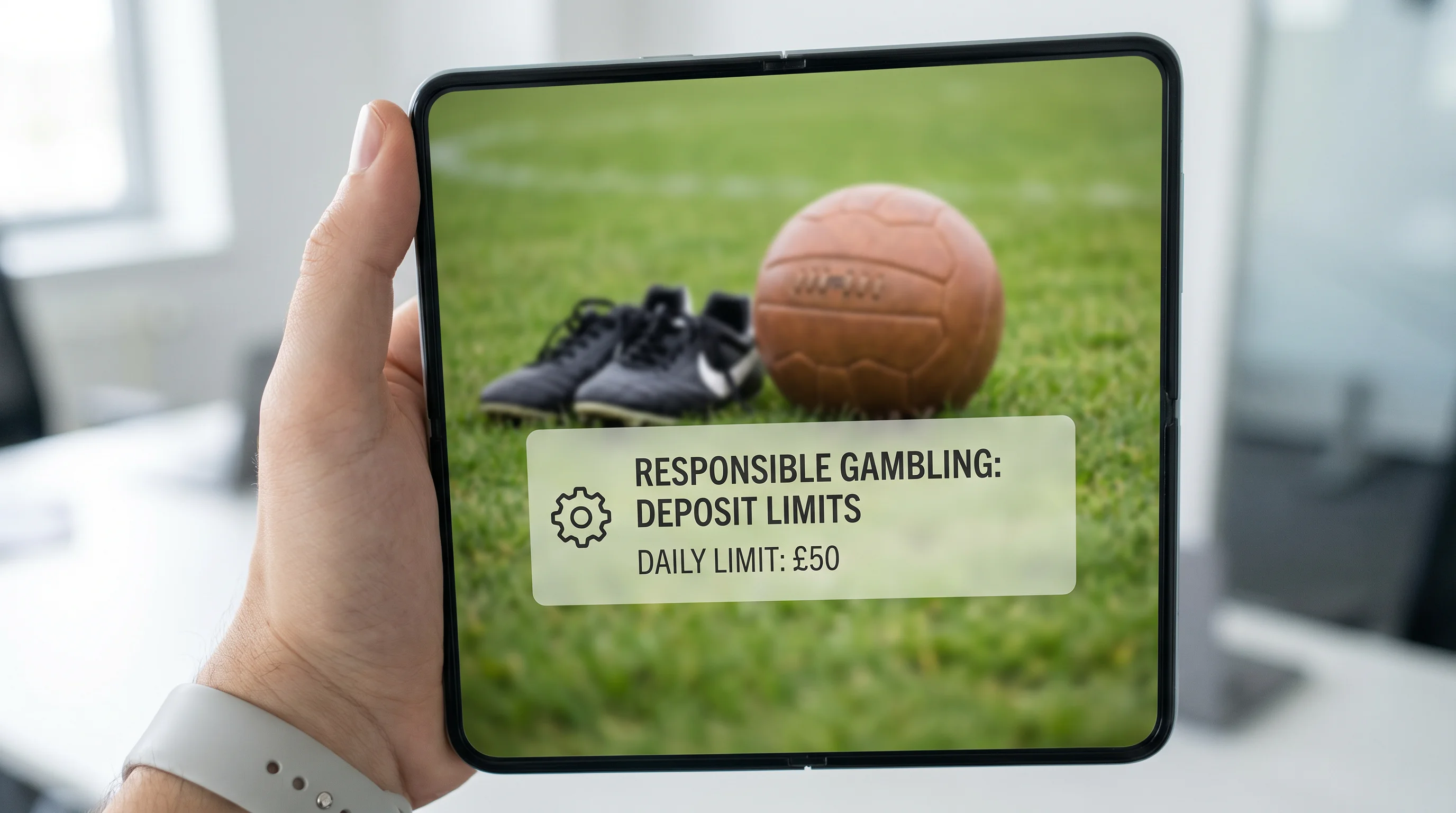
The responsible gambling tools built into betting apps are legally required and increasingly well-implemented. Deposit limits, loss limits, session time alerts, and direct links to self-exclusion services should all be accessible from the app’s main menu. I use deposit limits on every account — not because I lack discipline, but because automated controls remove a decision point that I’d rather not face at the end of a losing Saturday.
For a broader perspective on what separates operators beyond their apps, cash out betting explores one of the most important in-app features in detail.
Articles
Created by the "leaguebettips.com" editorial team.
