


The most profitable outright bet I’ve placed in the last five years was a relegation pick on a newly promoted side that had sold its two best players in January. The market had their relegation odds at 4/1 in early February. My model had them at closer to 55% probability — the equivalent of about 11/8. By the time the market caught up in mid-March, the odds had crashed to even money. That six-week lag between reality and market pricing is what makes relegation betting one of the most rewarding outright markets in English football.
Relegation markets flip the usual betting dynamic. Instead of backing success, you’re identifying failure — and failure in football follows more predictable patterns than success. A title-winning side needs everything to go right for 38 matches. A relegated side typically shows warning signs for months before the outcome is sealed. Those warning signs are quantifiable, and the market is consistently slow to fully price them in.
How Relegation Markets Work
The bookmaker lists every club in the division with odds reflecting their probability of finishing in the relegation zone — bottom three in the Premier League and Championship, bottom four in League One, and bottom two in League Two (with two additional sides entering relegation play-offs in League Two since 2022/23).

In the Premier League, relegation markets open in the summer alongside the title winner market. Pre-season favourites for the drop are almost always the promoted sides, typically priced between 5/4 and 7/2. Established Premier League clubs rarely open shorter than 8/1 for relegation unless there’s been a catastrophic summer — managerial upheaval, mass player departures, or ownership instability. In the 2025/26 season, 11 clubs carried gambling brand sponsorship on their shirts, including several in the lower half of the table, illustrating the deep commercial ties between the league and the betting industry.
Analytical Indicators That Predict Relegation
Over a decade of tracking relegation outcomes, I’ve identified four statistical indicators that are more predictive than raw league position at any given point in the season.
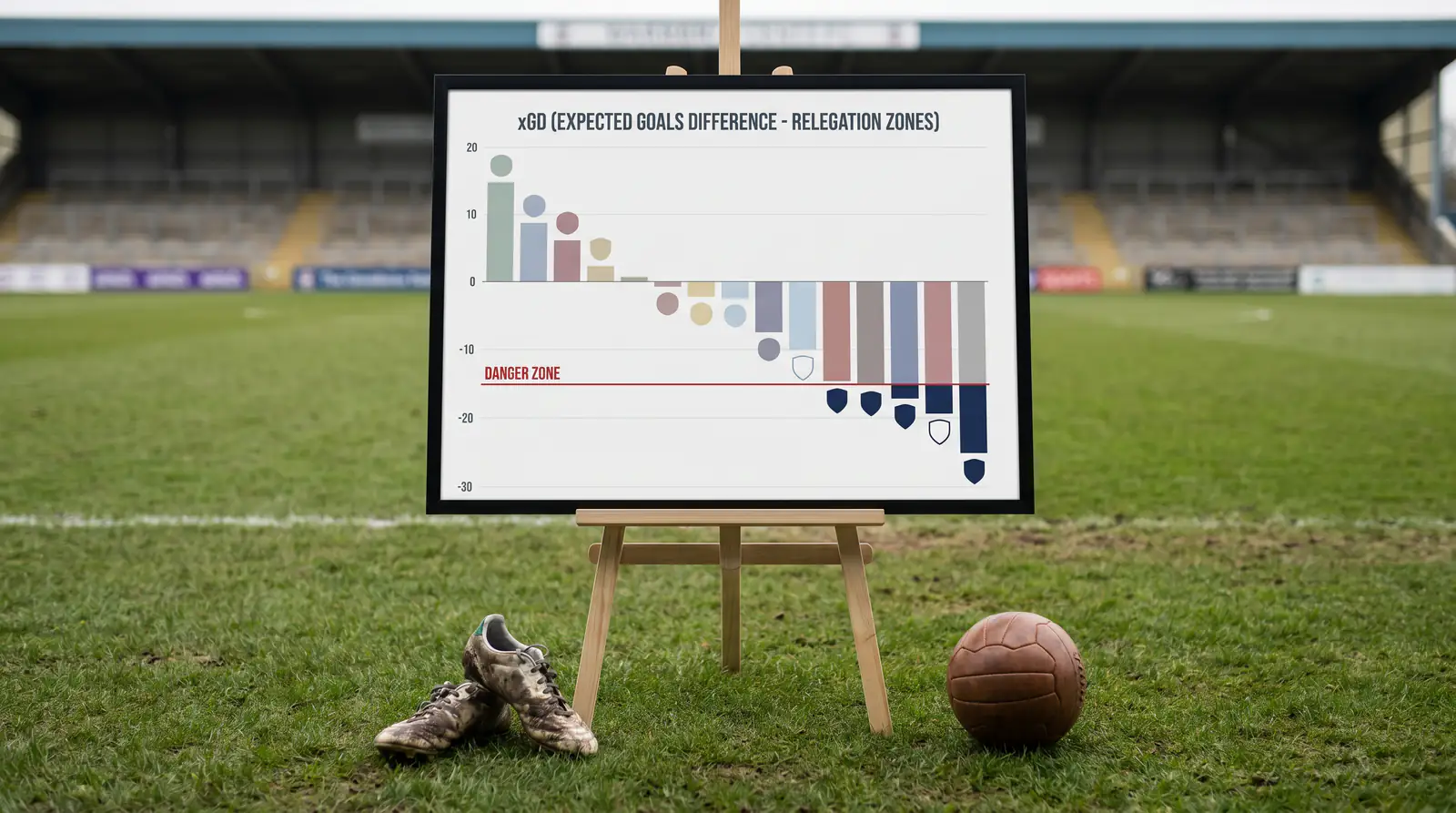
Expected goals difference (xGD) is the most reliable. A team with a negative xGD of -0.8 or worse per match across the first 15 games has been relegated in approximately 70% of cases across the past eight Premier League seasons. The xGD captures the quality of chances created and conceded, stripping out the variance of finishing and goalkeeping that can mask underlying weakness for weeks at a time.
Home form is the second indicator. Teams that can’t win at home don’t stay up. Specifically, any side with fewer than three home wins by Christmas is in severe danger, regardless of their away form. The market often gives home-poor teams too much credit for decent away results, which inflates their survival odds beyond what the data supports.
Third, managerial stability. A mid-season sacking followed by a caretaker appointment creates a measurable dip in performance that the new-manager bounce rarely compensates for over the full second half of the season. Joe Williams, co-founder of sports agency WH Sports, described the current era as the biggest shake-up in the front-shirt market in twenty years, and the financial pressures created by lost sponsorship revenue are compounding the instability at lower-table clubs.

Fourth, January transfer activity. Clubs that are net sellers of first-team quality in the January window — either through financial necessity or poor planning — see their relegation probability spike. I track net squad value change during the window and compare it to pre-January relegation odds to identify value opportunities in the second half of the season.
Premier League Versus EFL Relegation Dynamics
Relegation in the Premier League and the EFL operate differently in ways that affect betting strategy. The Premier League’s financial gulf between survival and the drop creates desperation that distorts late-season matches: teams fighting relegation play with an intensity that makes them difficult to beat but also erratic and prone to high-stress errors. This “survival mode” makes the final eight matches of the Premier League season the hardest to model accurately.
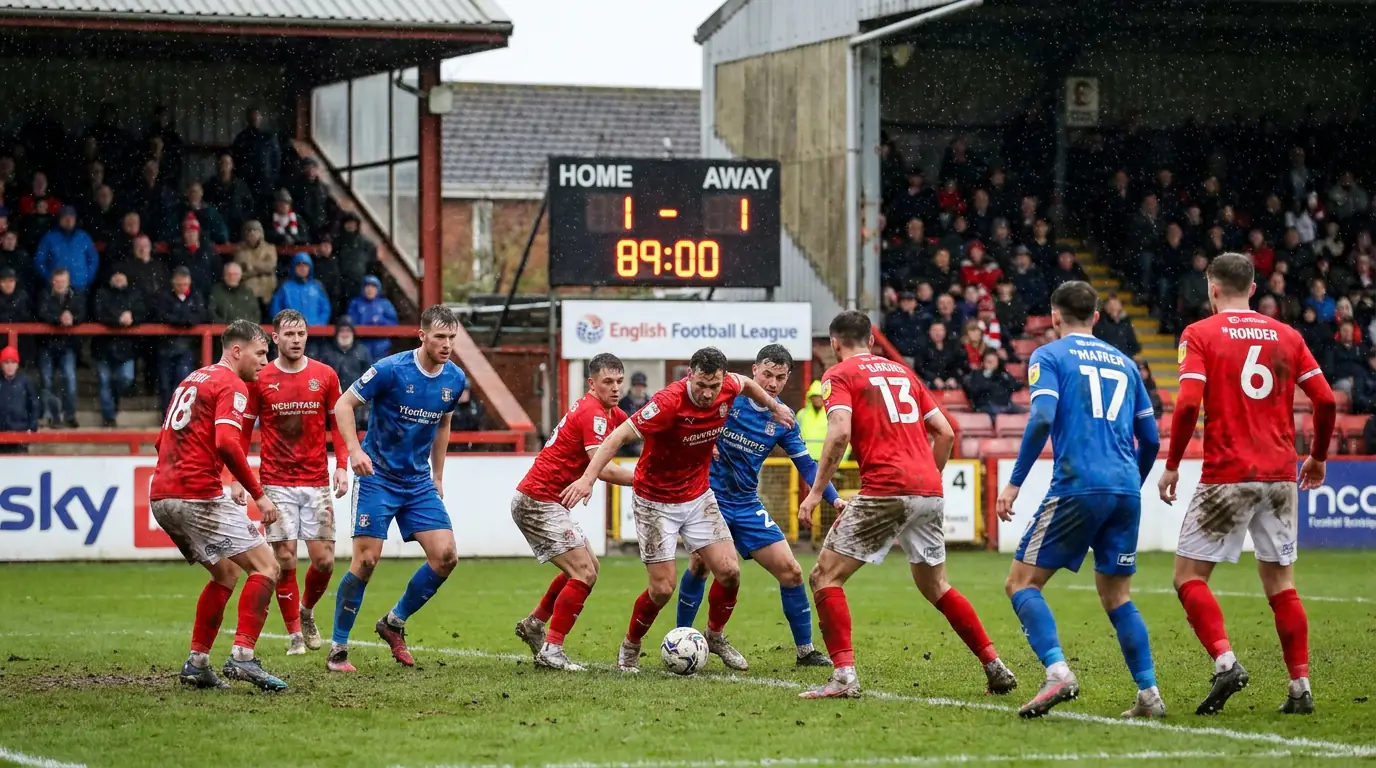
In the Championship, the quality gap between survival and relegation is narrower, and the points required to stay up are lower relative to the total available. Championship relegation battles tend to be settled later in the season because the competitive compression means fewer points separate the bottom six clubs. In League One and League Two, draws are more common in the lower divisions, which creates situations where teams can be relegated despite a relatively modest losing record — they simply drew too many matches and won too few.
Timing Your Relegation Bets for Maximum Value
Pre-season relegation bets offer the widest prices but the highest uncertainty. I place pre-season bets only when my assessment of a promoted side’s squad quality diverges significantly from the market price — typically when I believe their relegation probability exceeds 40% but the odds imply 30% or less.

The highest-value window in my experience is late January through mid-February, immediately after the transfer window closes. At this point, the second-half squads are set, the January spending (or lack of it) provides concrete information, and the market hasn’t fully processed the implications. A club that failed to sign a striker and lost a key defender on loan enters the second half of the season materially weakened, but the relegation odds often take two to three weeks to fully reflect this.
For the opposite end of the outright spectrum, promotion betting in the EFL follows a similar timing logic but with the dynamics reversed — identifying which clubs are building towards success rather than sliding towards failure.
Articles
Created by the "leaguebettips.com" editorial team.
