

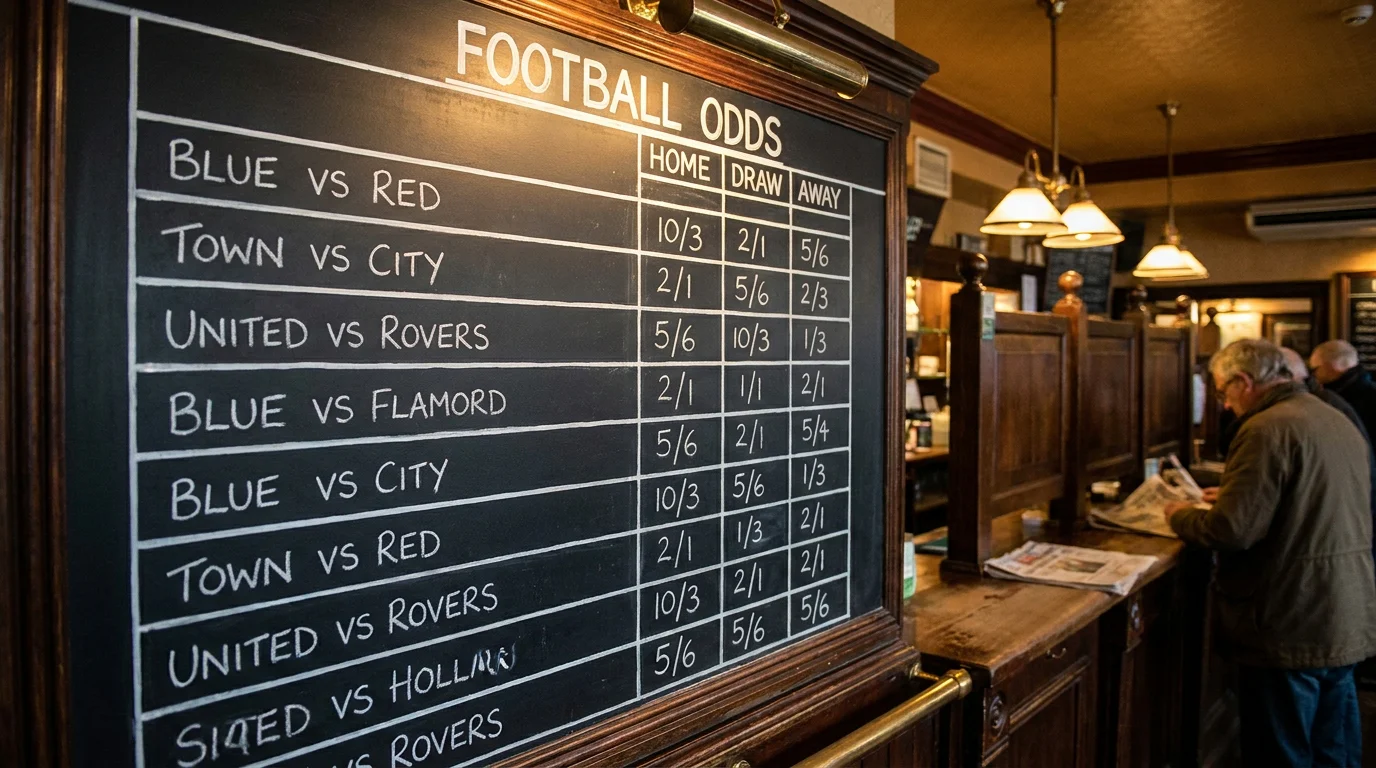
Years ago, a friend asked me what 11/4 meant on a horse. I rattled off the answer without thinking. Then he asked me why it wasn’t just displayed as 3.75, and I realised I’d been reading odds for so long that I’d forgotten how genuinely confusing they are to anyone starting out. Football betting odds are the language of the market — every price tells you what the bookmaker thinks about a match, and once you can read that language fluently, you stop being a passive customer and start being an informed one.
The UK market uses two primary odds formats: fractional and decimal. Both express the same information differently, and understanding both is essential because some bookmakers default to fractional, others to decimal, and your ability to compare prices across platforms depends on reading either format instantly. With 10% of the UK population betting on sport online, odds literacy is a basic skill that pays dividends on every single bet you place.
Fractional Odds: The Traditional UK Format
Fractional odds are the format most British bettors grew up with. Displayed as two numbers separated by a slash — 5/1, 7/2, 4/6 — they tell you the profit relative to your stake. At 5/1, a £1 bet returns £5 profit plus your £1 stake back. At 7/2, a £2 bet returns £7 profit plus the £2 stake. At 4/6, you need to stake £6 to win £4 profit.
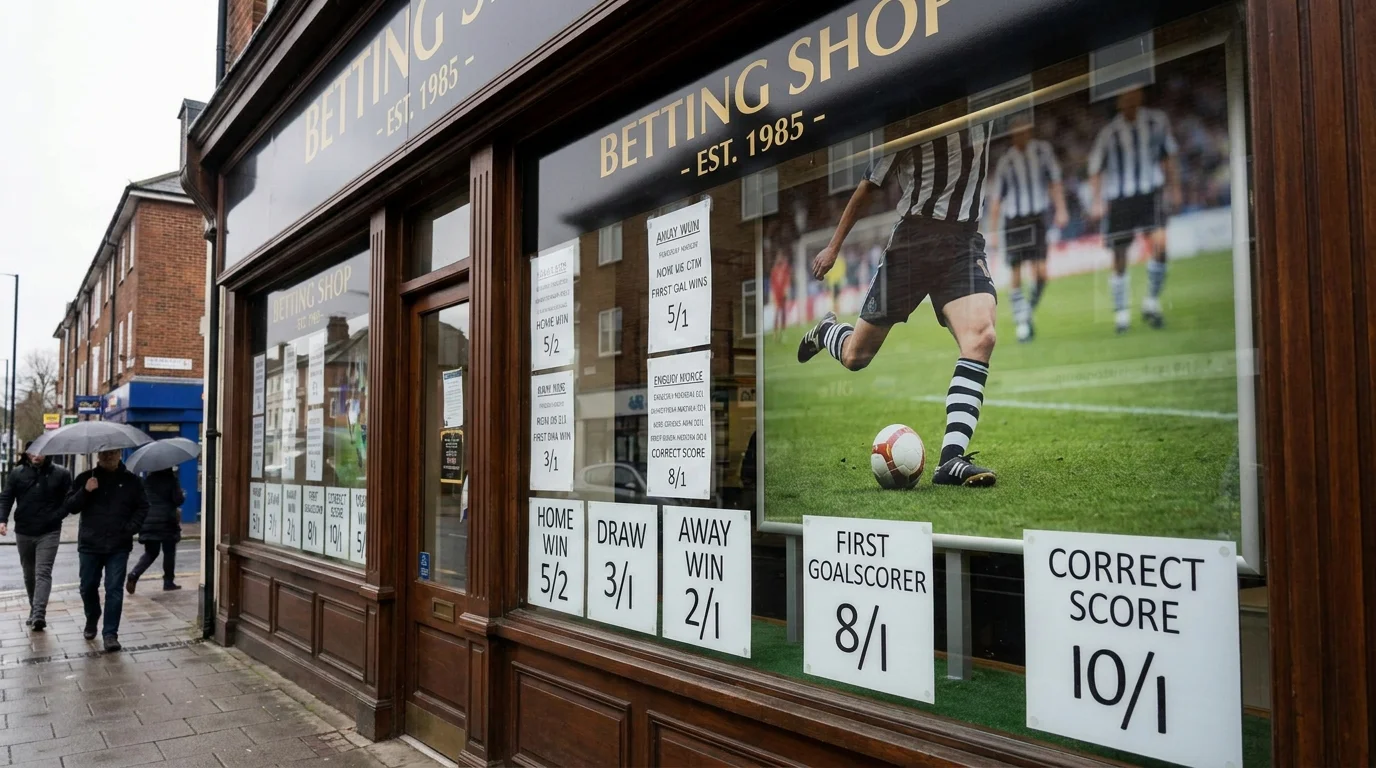
The mental arithmetic gets complicated quickly. What does 11/8 pay? Or 100/30? These prices appear regularly on football match odds, and the conversion isn’t intuitive. I spent years mentally converting every fractional price to decimal before placing a bet, which eventually made me wonder why I wasn’t just using decimals in the first place.
Where fractional odds remain genuinely useful is in expressing large payouts cleanly. “100/1” communicates the scale of a longshot far more immediately than “101.00” in decimal. For outright markets — Premier League winner, top scorer, relegation — fractional odds give you an instant sense of how unlikely the bookmaker considers a given outcome. In match betting, though, the fractional format obscures the comparisons that matter most.
Decimal Odds: The Format Professionals Prefer
Decimal odds express the total return per unit staked, including the stake itself. Odds of 2.50 mean a £1 bet returns £2.50 total — £1.50 profit plus the £1 stake. The calculation is always the same: stake multiplied by odds equals total return. No fractions, no mental gymnastics.
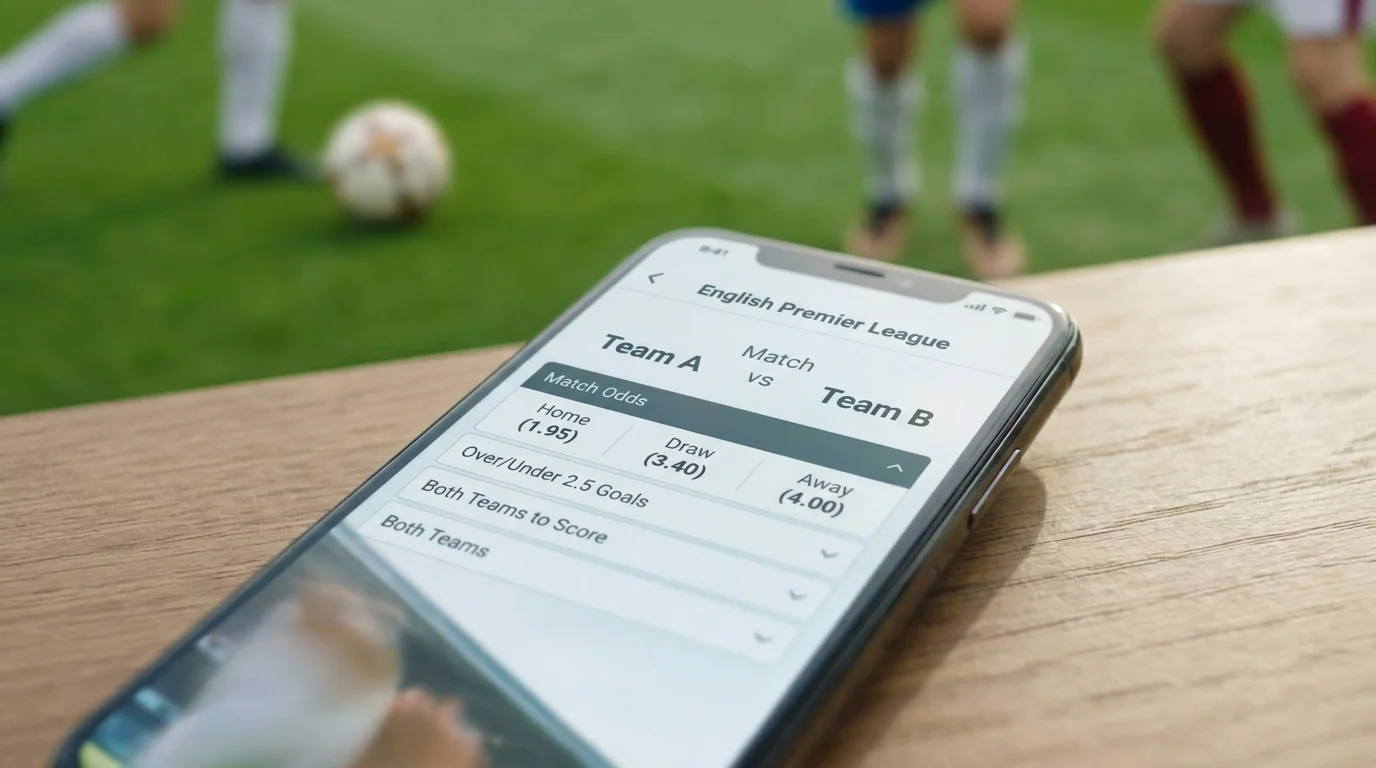
Every odds comparison tool I’ve used defaults to decimal, and there’s a reason. When you’re comparing the same match across five or six bookmakers, decimal odds let you spot the best price in seconds. Is 2.45 better than 2.40? Obviously. Is 11/4 better than 5/2? That requires a conversion step that costs time and introduces error. Professional bettors and serious analysts work in decimals almost exclusively, and if you’re placing more than a casual weekend accumulator, I’d strongly recommend switching.
One small wrinkle: odds-on prices in decimal format always sit between 1.01 and 1.99. A heavy favourite priced at 1/3 in fractional becomes 1.33 in decimal. The decimal format makes it transparently clear how little profit you’re receiving relative to the risk, which is why some bettors find it psychologically harder to back short-priced favourites in decimal — the numbers look ungenerous. That transparency is a feature, not a flaw.
From Odds to Probability: The Conversion Every Bettor Needs
Behind every set of odds is an implied probability — the bookmaker’s estimate of how likely an outcome is. With 290 million online bets placed on real events monthly in the UK, every one of those bets carries an implied probability that the bettor has implicitly accepted.

The conversion from decimal odds to implied probability is one division: 1 divided by the decimal odds. Odds of 2.00 imply a 50% chance. Odds of 4.00 imply 25%. Odds of 1.50 imply 66.7%. From fractional odds, the formula is denominator divided by (numerator plus denominator): 5/1 becomes 1 divided by 6, which is 16.7%.
Here’s where it gets interesting. If you calculate the implied probabilities for all three outcomes in a football match result market — home win, draw, away win — they’ll add up to more than 100%. A typical Premier League match might show implied probabilities of 45% + 28% + 32% = 105%. That 5% excess is the bookmaker’s overround — their built-in margin on the market. The higher the overround, the worse the value for the bettor across all outcomes.
The Bookmaker’s Margin and What It Costs You
Overround varies significantly between bookmakers and between leagues. Premier League match result markets carry an average overround of 3-5% at competitive operators. Championship markets typically sit at 5-7%. League One and League Two markets can carry overrounds of 8-12%, reflecting the operator’s lower confidence in the accuracy of their pricing.

This margin is invisible to most bettors because it’s embedded in the odds rather than charged as a fee. But it’s real, and it compounds. If you place 100 bets at an average overround of 5%, you need to be right 52.5% of the time on even-money bets just to break even. Every percentage point of overround reduction — achieved by shopping across bookmakers for the best odds — translates directly into improved long-term returns.
Comparing Odds Across Operators
Price comparison is the simplest and most effective way to improve your betting results, and it requires no analytical skill whatsoever — only discipline. The same match can be priced at 2.40 by one bookmaker and 2.55 by another. Over a season of weekly betting, consistently taking the best available price adds 3-5% to your returns before any strategic edge is applied.
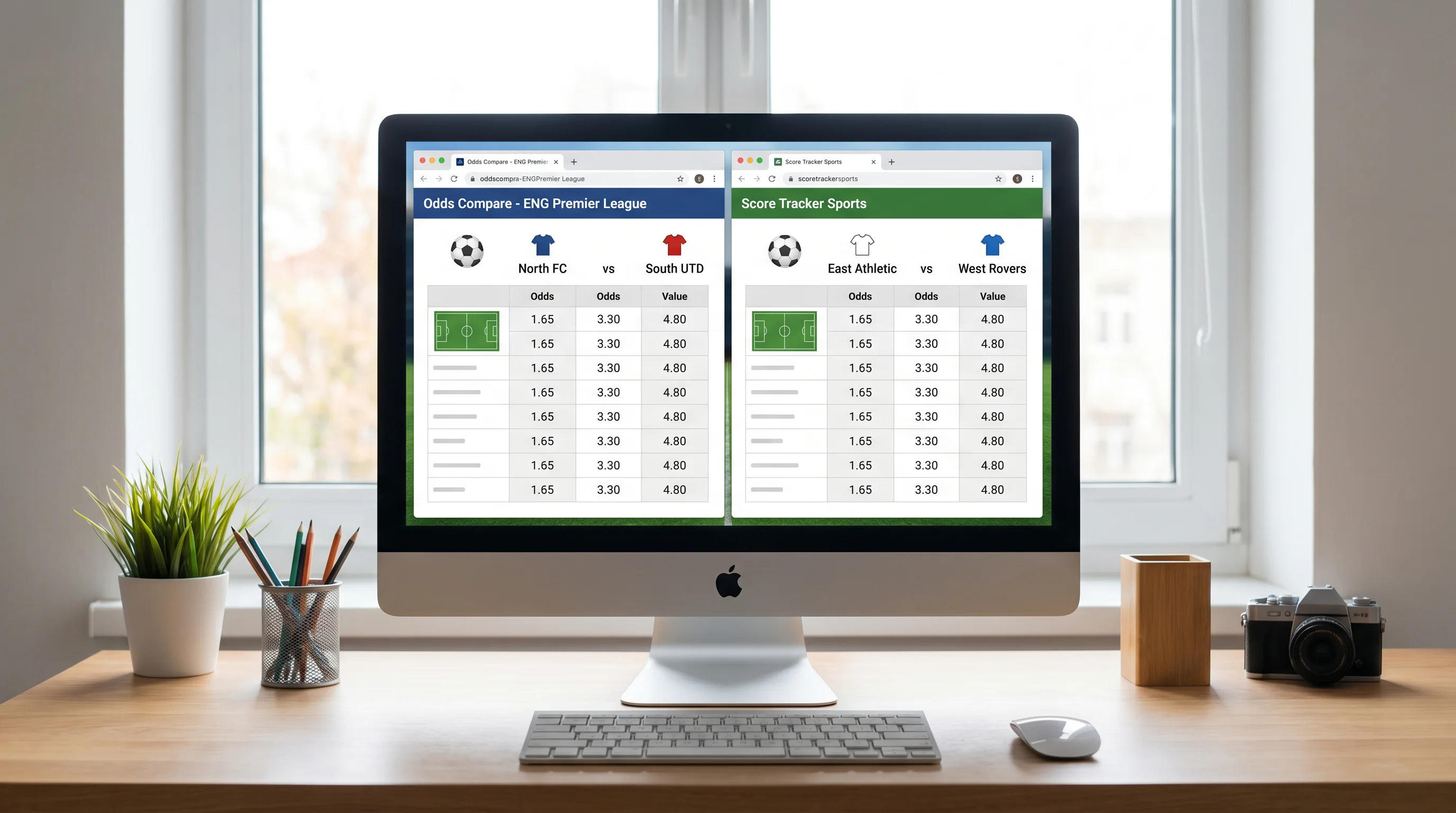
I maintain accounts with four bookmakers specifically for price comparison. Before placing any football bet, I check the odds at each and take the best price. This takes about 90 seconds per bet. Over a year, those 90-second checks have been worth more to my bottom line than any single analytical improvement I’ve made. For a broader look at how different football betting markets are priced across operators, market-specific comparison is equally valuable.
Articles
Prepared by the leaguebettips.com editorial staff.
