
I was at a Championship match last season when a mate pointed at the away team’s shirts and said, “That’s five gambling logos I can count from here — three on shirts, one on the LED boards, one on the sleeve.” He wasn’t exaggerating. The relationship between English football and the betting industry has been one of the most visible commercial partnerships in sport for nearly two decades. Now, with the voluntary front-of-shirt ban taking effect from the 2026/27 season, that relationship is about to undergo its most significant structural change since gambling brands first appeared on Premier League kits.
The Premier League announced the ban in April 2023, giving clubs three seasons to find replacement sponsors. The decision made the Premier League the first major sports league in the UK to voluntarily restrict gambling advertising in this way. As we approach the implementation deadline, the commercial, regulatory and cultural implications are becoming clearer — and for anyone who follows the intersection of football and betting, they’re worth understanding in detail.
The Timeline: From Decision to Implementation
The Premier League clubs collectively agreed to withdraw gambling sponsorship from the front of matchday shirts at the end of the 2025/26 season. The ban applies specifically to the front-of-shirt position — the most prominent and commercially valuable advertising space on a football kit. It does not cover sleeve sponsorship, LED perimeter boards, stadium naming rights, or other marketing channels that gambling brands currently use within Premier League football.
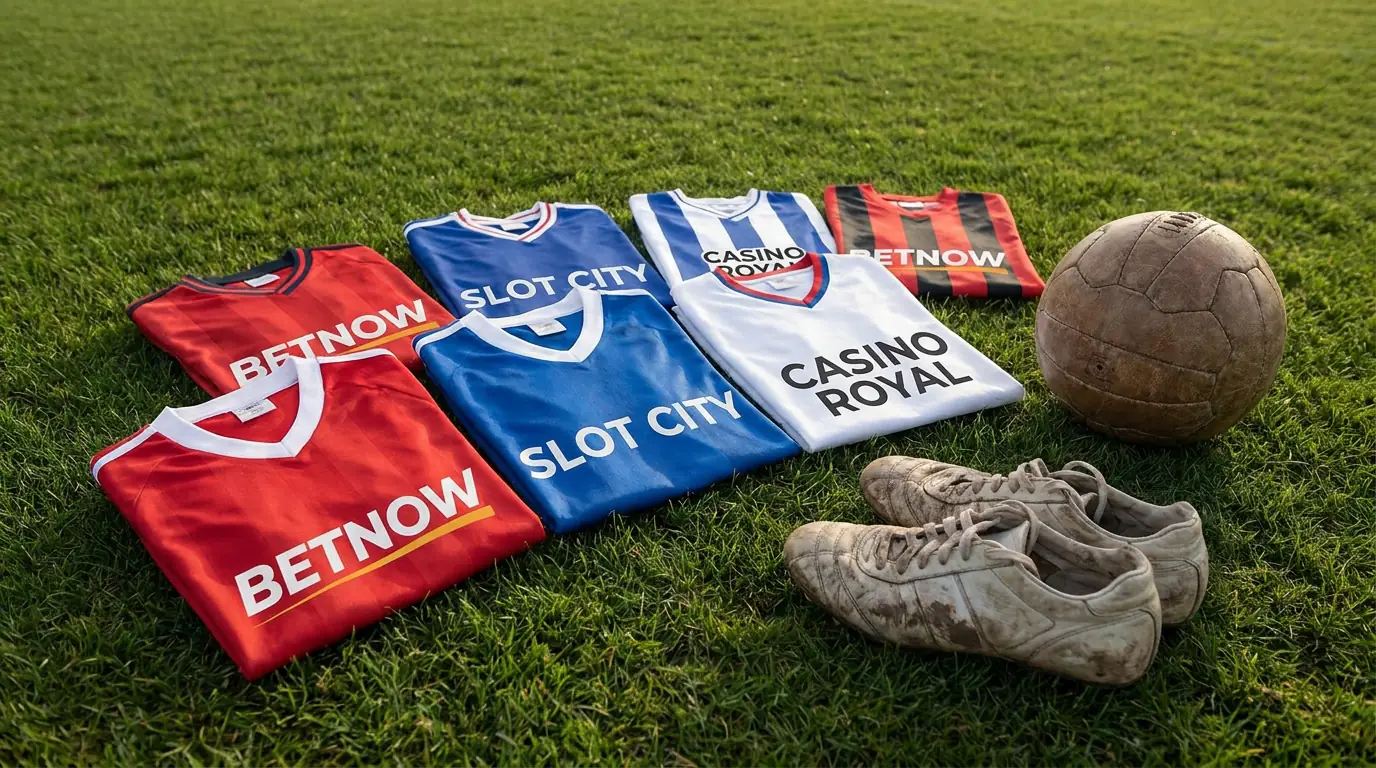
In the 2025/26 season, 11 Premier League clubs still carried gambling brand sponsorship on their front-of-shirt position. As many as 9 of those clubs had not secured replacement sponsors by early 2026, creating a potential revenue gap that Joe Williams, co-founder of sports agency WH Sports, described as the biggest shake-up in the front-shirt market in twenty years. The potential losses from the transition are estimated at 80 million pounds across the affected clubs — a figure that represents real money for mid-table and lower-half sides even if it’s a fraction of the Premier League’s total broadcast income.
The Premier League’s official statement framed the decision as a voluntary measure to reduce gambling advertising, making it distinct from the regulatory-driven restrictions that the UK government had been considering through the Gambling Act review process. That voluntary nature matters because it positioned the league as proactive rather than reactive — a stance that carries weight with regulators, broadcasters and the public.
The Financial Impact on Clubs
Front-of-shirt sponsorship deals with gambling companies were worth between 5 million and 10 million pounds per season for most clubs, with some larger deals reaching 15 million or more. For clubs outside the “big six,” that revenue represented a meaningful share of their non-broadcast commercial income — money that funded squad investment, academy development and matchday operations.

The replacement market has been uneven. Some clubs secured deals with fintech, cryptocurrency or automotive brands within months. Others have struggled to find sponsors willing to pay comparable rates for front-of-shirt exposure on a mid-table Premier League side. The gap between what gambling brands were paying and what replacement sponsors are offering is estimated at 30-40% for the average affected club — a shortfall that will directly affect transfer budgets and wage structures for the 2026/27 season and beyond.
One Betano representative stated plainly that their company sees no reason to leave the Premier League ecosystem just because front-of-shirt visibility is disappearing. Their entry into English football was never a short-term play, and the goal remains to maintain a presence in English stadiums through alternative channels. Andrew Mook, head of brand marketing at Midnite, echoed that perspective — his company treats front-of-shirt and other placements as equally valuable media buys that give permission to connect with fans.
What the Ban Does and Does Not Cover
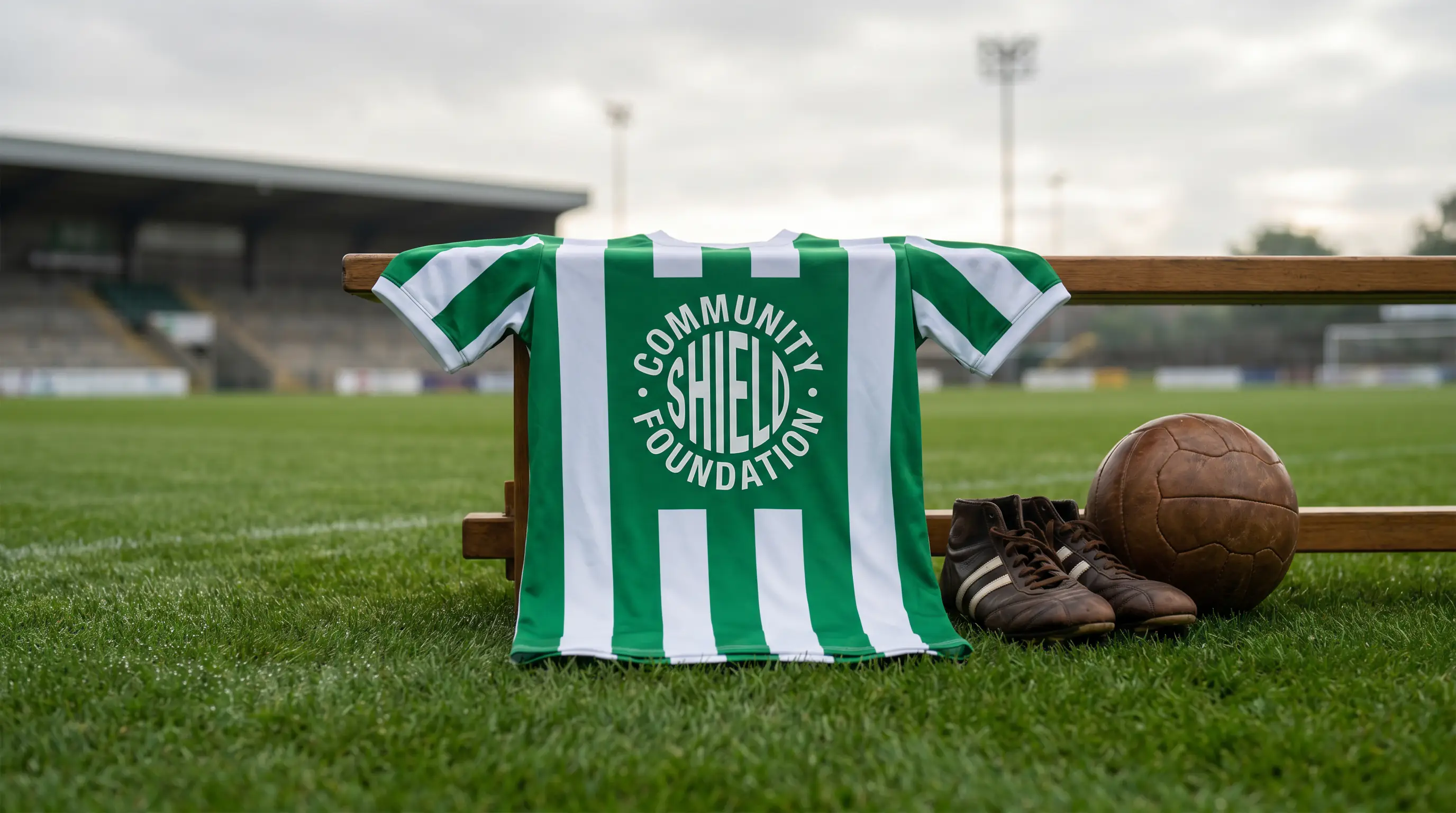
The scope of the ban is narrower than many bettors assume. It covers front-of-shirt sponsorship on matchday kits only. Gambling brands can still appear on sleeve positions, training kit sponsors, stadium advertising, programme advertising, and digital pitch-side boards. They can still sponsor individual clubs through partnership deals that don’t involve the front of the shirt. And the ban applies only to the Premier League — EFL clubs remain free to carry gambling sponsorship on any position, and Sky Bet’s thirteen-season title sponsorship of the Championship, League One and League Two continues unaffected.

The government has separately introduced requirements around unlicensed gambling operators sponsoring clubs. Lisa Nandy, Secretary of State for Culture, Media and Sport, stated that fans placing bets on matches deserve to know the sites they use are properly regulated, and that unlicensed operators should not be raising their profile through football club sponsorship. This regulatory angle is distinct from the voluntary front-of-shirt ban but adds further complexity to the sponsorship landscape.
What This Means for the Betting Market
The sponsorship ban doesn’t change how you bet on football. It doesn’t affect odds, market availability, or the range of operators licensed to serve UK customers. What it does change is the visibility of betting brands within the matchday experience, which over time may reduce the casual normalisation of gambling among younger fans — one of the stated objectives of the policy.
For the betting industry, the ban accelerates a shift towards digital marketing channels, social media partnerships, and content-led engagement strategies that don’t rely on shirt real estate. The UK gambling market generated 4.5 billion pounds in GGY in Q4 2025, and that revenue base is not going to contract because of a shirt sponsorship change. The money will move, not disappear — flowing from kit deals into digital acquisition, influencer partnerships, and the kind of data-driven content that builds brand loyalty among engaged bettors rather than casual observers.
For a broader picture of the revenue figures and market trends shaping the industry behind the sponsorship debate, UK gambling market statistics provides the full data landscape.
Articles
Created by the "leaguebettips.com" editorial team.
