

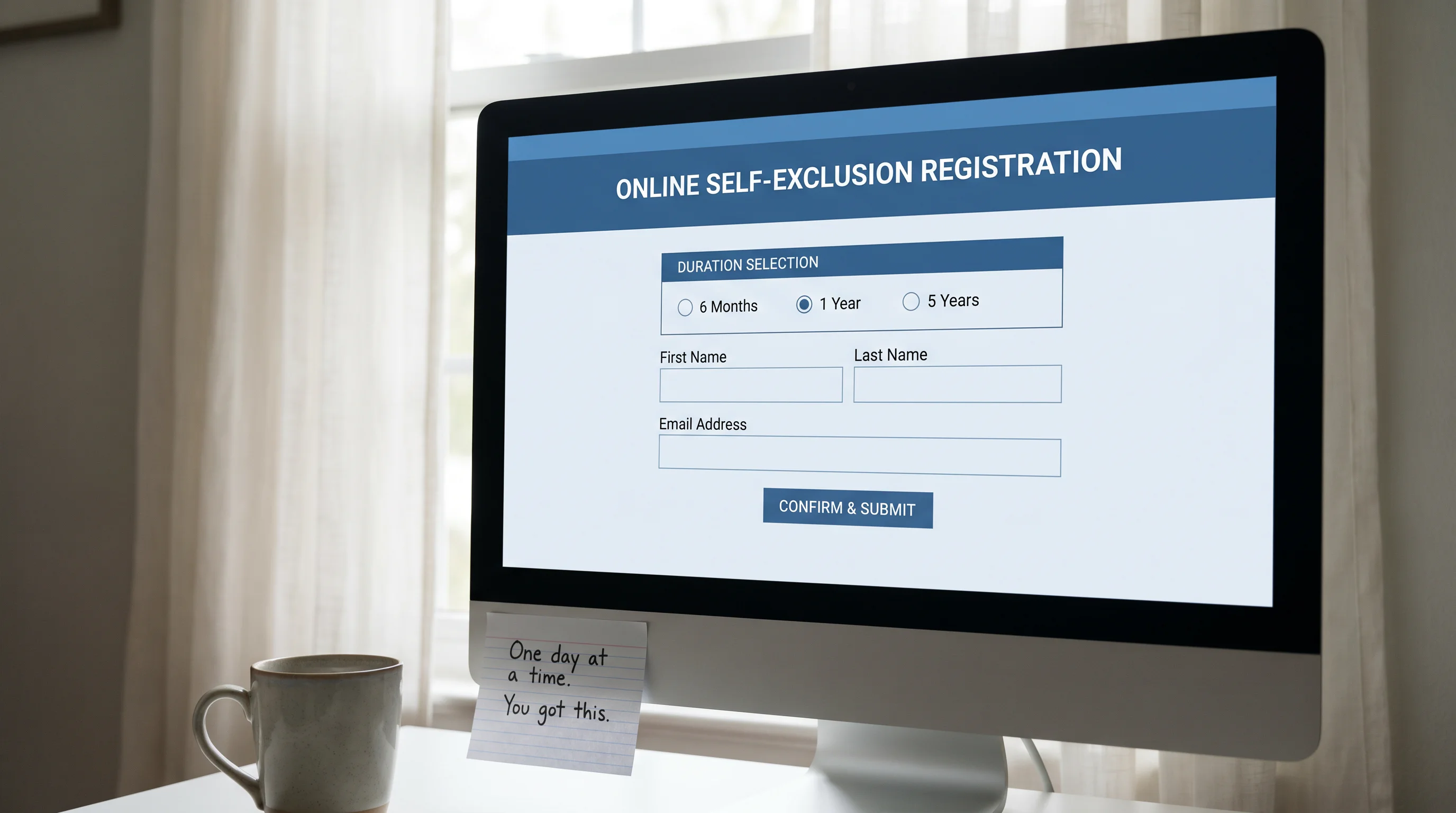
A reader reached out to me two years ago asking about GamStop. He’d been self-excluding from individual bookmakers one at a time — closing an account, then opening another somewhere else, then closing that one too. It was an exhausting cycle that never addressed the underlying problem because the exits were always one step behind the impulse. When I explained that GamStop blocks every UKGC-licensed online operator simultaneously through a single registration, the relief in his reply was immediate. He signed up that evening.
GamStop is the UK’s national online self-exclusion scheme, and it’s one of the most significant responsible gambling tools available to British bettors. The scheme is free, covers all UKGC-licensed remote gambling operators, and operates through a centralised database that prevents excluded individuals from opening new accounts or accessing existing ones across the entire licensed online market. No other major gambling jurisdiction offers a comparable multi-operator scheme at this scale.
What GamStop Actually Does
When I first looked into GamStop’s mechanics, I expected a bureaucratic process. It’s not. Registration takes under ten minutes through the GamStop website. You provide your name, date of birth, address, and email, then select an exclusion period: six months, one year, or five years. Once confirmed, the system notifies every UKGC-licensed online operator, and your accounts are suspended across the entire market.
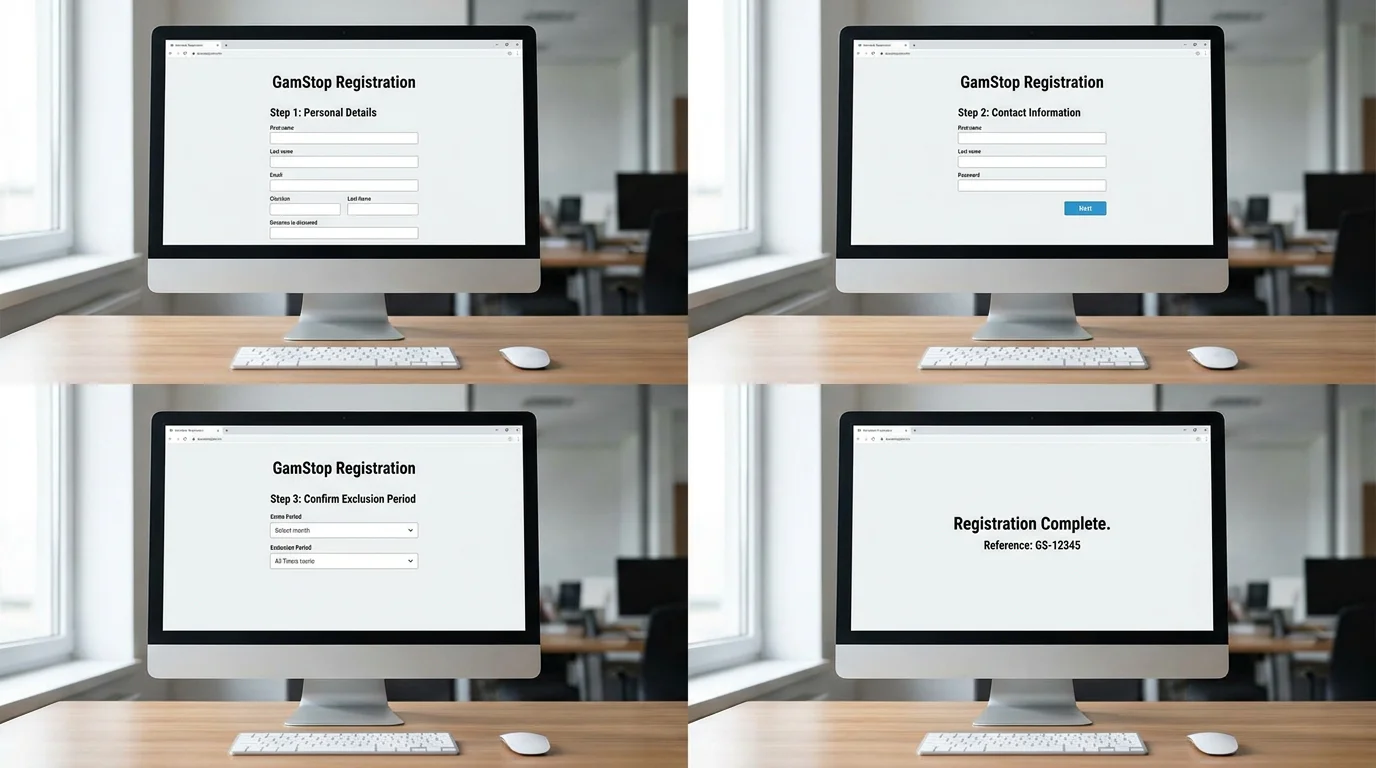
The technical implementation works through a shared database. When you attempt to register with a new operator or log into an existing account, the operator checks your details against the GamStop register. A match triggers an automatic block. The system relies on the personal information you provide, so accuracy matters — entering your details exactly as they appear on your betting accounts ensures the exclusion catches every account you hold.
During the exclusion period, you cannot gamble with any UKGC-licensed online operator. You cannot open new accounts. Marketing communications from licensed operators must cease. The exclusion is comprehensive by design — it removes the option of switching to a different operator, which is the behavioural pattern that individual self-exclusion fails to address.
The Exclusion Periods and What Happens When They End
The three options — six months, one year, five years — reflect different levels of need. The Gambling Commission’s data shows that 1.6% of UK adults experience at least moderate gambling risk, and among those, the severity ranges from temporary loss of control to deeply entrenched patterns. The six-month option suits bettors who recognise an emerging problem and want a clean break to reset their habits. The five-year option is designed for individuals who need sustained separation from all online gambling.

When an exclusion period expires, it does not automatically reinstate your accounts. You must actively choose to end the exclusion by logging into GamStop and confirming that you want to return. There’s a mandatory 24-hour cooling-off period between requesting reinstatement and actually regaining access, providing a buffer against impulsive reactivation. If you take no action, the exclusion remains in place indefinitely — the system defaults to continued protection.
I’ve spoken to several bettors who used the six-month exclusion and found it sufficient to break a negative pattern. One described it as “the forced pause I couldn’t give myself” — knowing that no amount of willpower at 11pm on a Saturday could override the system gave him the space to rebuild his relationship with betting on healthier terms.
What GamStop Does Not Cover
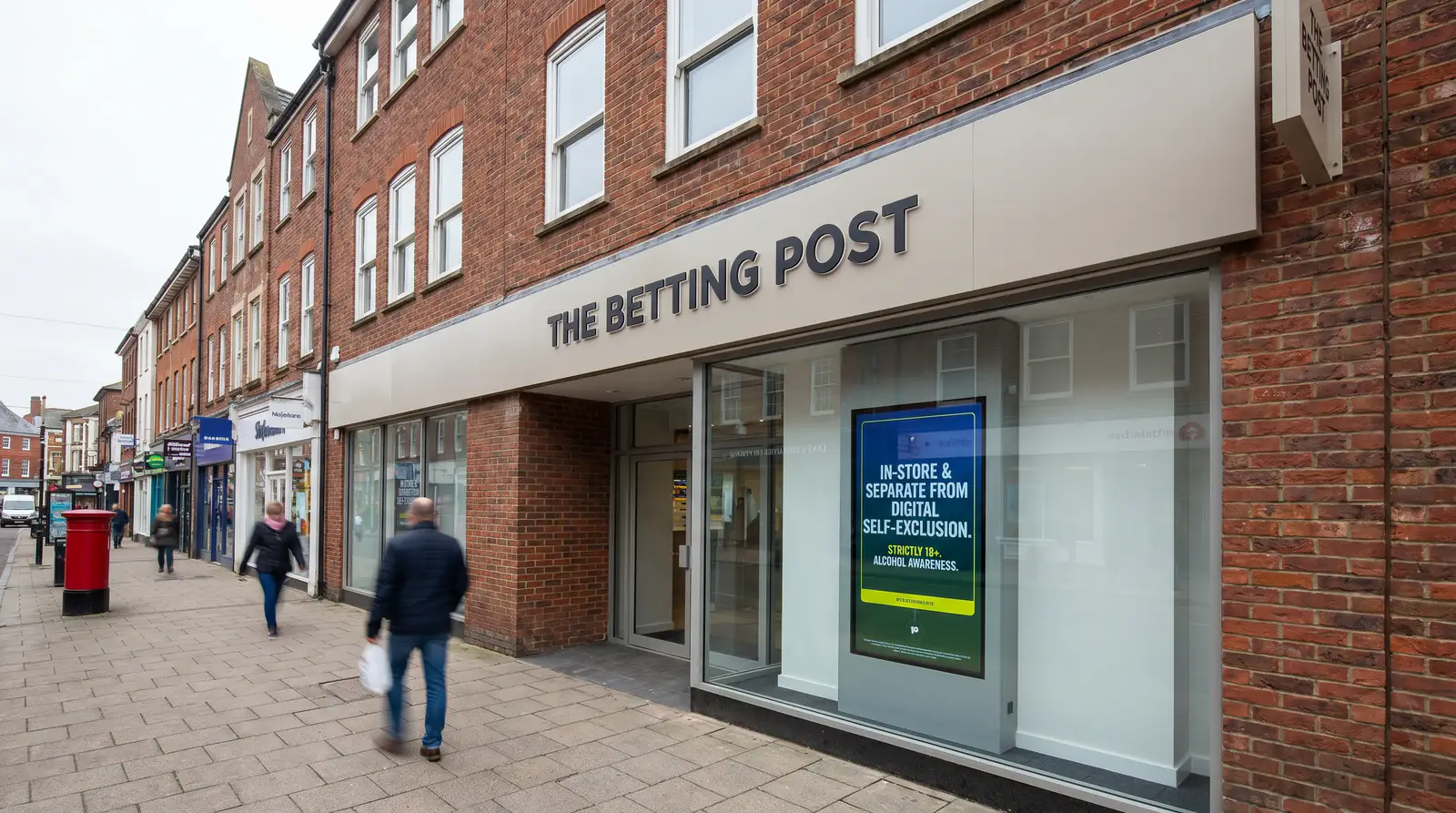
Understanding GamStop’s limitations is as important as understanding its coverage. The scheme applies only to UKGC-licensed online operators. It does not cover retail betting shops, which have their own separate self-exclusion schemes operated by individual operators and coordinated through local area agreements. It does not cover the National Lottery. And it does not cover unlicensed offshore operators — the sites operating without UKGC authorisation that accept UK customers illegally.
More than 200 million minutes were spent on unlicensed gambling sites during peak months in early 2025, and VPN usage to access these sites rose sharply after the Online Safety Act took effect. For someone using GamStop to address a gambling problem, the existence of unlicensed alternatives represents a genuine risk. GamStop blocks the regulated market, but the unregulated market remains accessible to anyone determined enough to seek it out. Recognising this limitation is not a criticism of the scheme — it’s a practical reality that anyone relying on GamStop as their primary protection tool should understand.
How GamStop Fits Into Broader Support
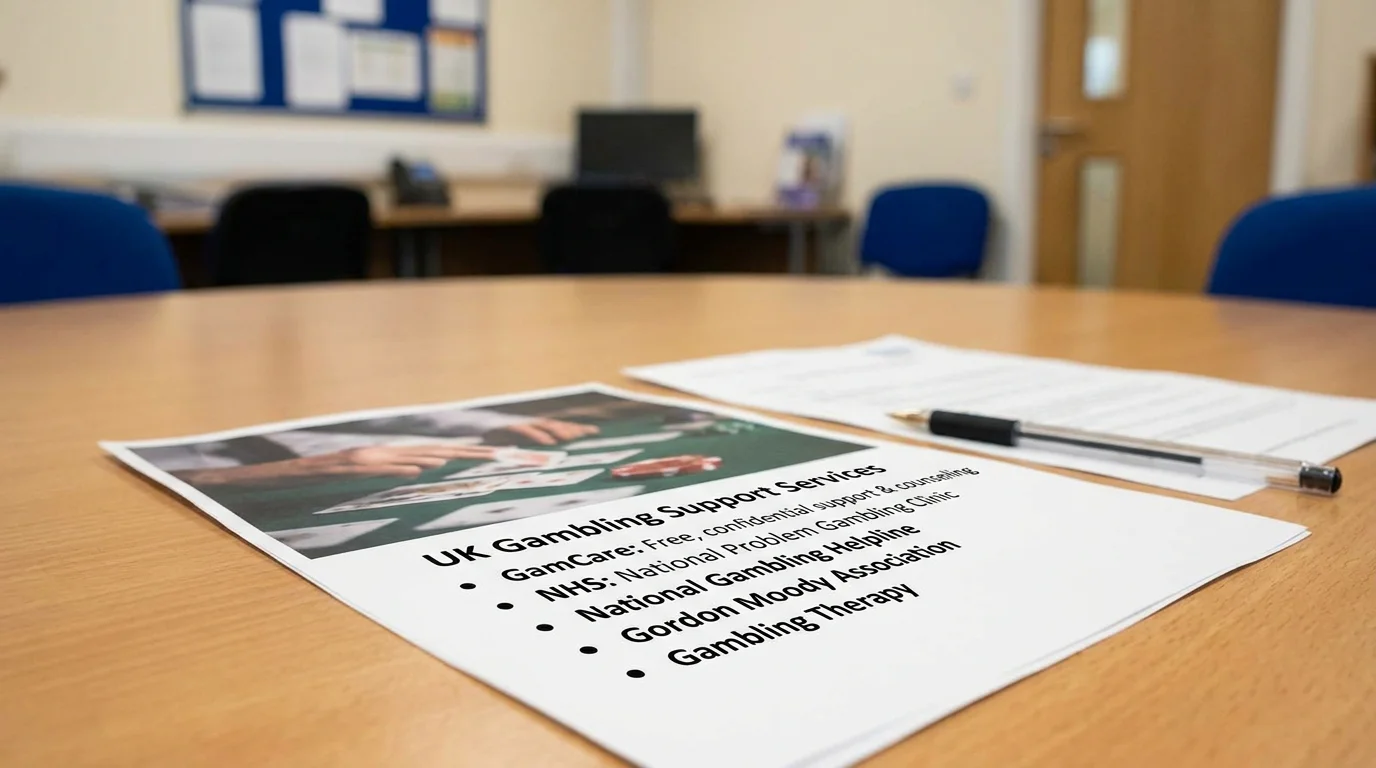
GamStop is a barrier, not a treatment. It removes access to online gambling, but it doesn’t address the psychological or financial drivers that led to the exclusion in the first place. The most effective approach combines GamStop with professional support — GamCare counselling, the National Gambling Helpline, or NHS specialist clinics. Family and friends can also access support through these services, because gambling harm rarely affects only the person holding the account.
Zoë Osmond, the chief executive of GambleAware, has been clear that all of the charity’s campaigns are evidence-based and developed without input from the gambling industry. That independence matters because it means the support resources available to GamStop users — funded in part by the 100 million pound annual statutory levy on operators — are designed around clinical evidence rather than commercial interests.

If you’re considering GamStop, the decision itself is the hardest part. The registration is simple, the coverage is comprehensive, and the exclusion period gives you space that willpower alone cannot create. If you’re not sure whether you need it, the fact that you’re asking the question is worth paying attention to.
For a wider look at all the responsible gambling tools available before reaching the self-exclusion stage, responsible betting UK covers deposit limits, time-outs, reality checks and professional support pathways.
Articles
Prepared by the leaguebettips.com editorial staff.
