


I’ve been analysing football betting markets for a decade, and the hardest conversations I have aren’t about strategy or odds — they’re with people who’ve crossed the line between entertainment and harm without realising it. One close friend described it as “boiling a frog” — the losses accumulated so gradually that by the time he noticed the damage, his savings were gone and his relationships were strained. He’s recovered, but the experience reshaped how I think about every aspect of this industry.
The UK has some of the most comprehensive responsible gambling protections in the world, but protections only work if people know they exist and understand how to use them. NHS data shows that 1.6% of adults experience at least moderate gambling risk, and 0.4% meet the threshold for problem gambling. Those percentages sound small until you translate them into real numbers: hundreds of thousands of people in genuine difficulty. Among 18-24 year olds, the picture is sharper — 5.3% fall into the upper range of problem gambling scores, making young men the most vulnerable demographic in the betting population.
The Scale of Gambling Harm in the UK
Gambling harm isn’t just financial. Research from GambleAware has shown that certain types of gambling carry an increased chance of experiencing harm that extends into careers, relationships, and mental health. Zoë Osmond, GambleAware’s chief executive, has been direct about the scope: the measures outlined in the Gambling White Paper may not go far enough to protect people from the corrosive effects that gambling harm can produce across every dimension of a person’s life.

The health and social costs are substantial. The Office for Health Improvement and Disparities estimates that gambling-related health and social expenditure runs between £1.05 billion and £1.77 billion annually. That figure captures NHS treatment, social services, housing support, and criminal justice costs linked to problem gambling. It doesn’t capture the personal cost to families, which is immeasurable.
What makes these numbers particularly relevant for football bettors is the demographic overlap. Sports betting attracts a younger, predominantly male audience — 15% of men bet on sport compared to 4% of women. The combination of high engagement, emotional attachment to results, and the accessibility of mobile betting creates conditions where harm can develop faster than in less immersive forms of gambling.
Tools Every Licensed Operator Must Provide
UKGC-licensed bookmakers are legally required to offer a set of responsible gambling tools. These aren’t optional add-ons — they’re licence conditions, and operators who fail to implement them face enforcement action.
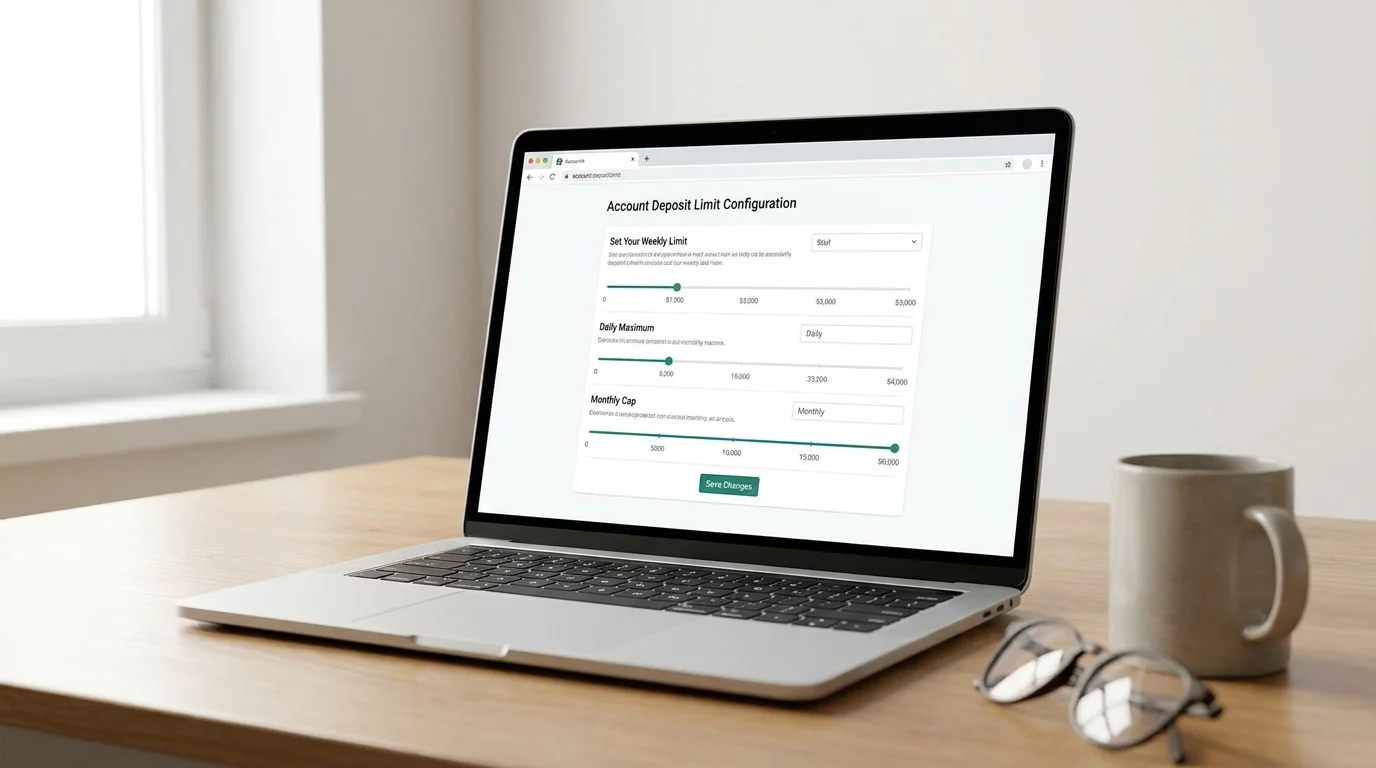
Deposit limits allow you to set a maximum amount you can deposit per day, week, or month. Once set, a deposit limit applies immediately for reductions and after a 24-hour cooling-off period for increases. I use deposit limits on every account I hold, and I recommend them unconditionally — not as a sign of weakness, but as sensible risk management. Loss limits work similarly, capping the total amount you can lose within a specified period. Time-out options let you suspend your account for 24 hours, 48 hours, 7 days, or 30 days, during which you cannot place bets or deposit funds. Reality check alerts pop up at intervals you set — every 30, 60, or 90 minutes — reminding you how long you’ve been active and how much you’ve spent.
These tools exist at the account level, meaning they apply across all markets and bet types on that platform. They don’t apply across operators, which is a genuine limitation — a deposit limit on one bookmaker doesn’t prevent deposits on another. Cross-operator tools like GamStop address this gap, but individual operator tools remain the first line of protection.
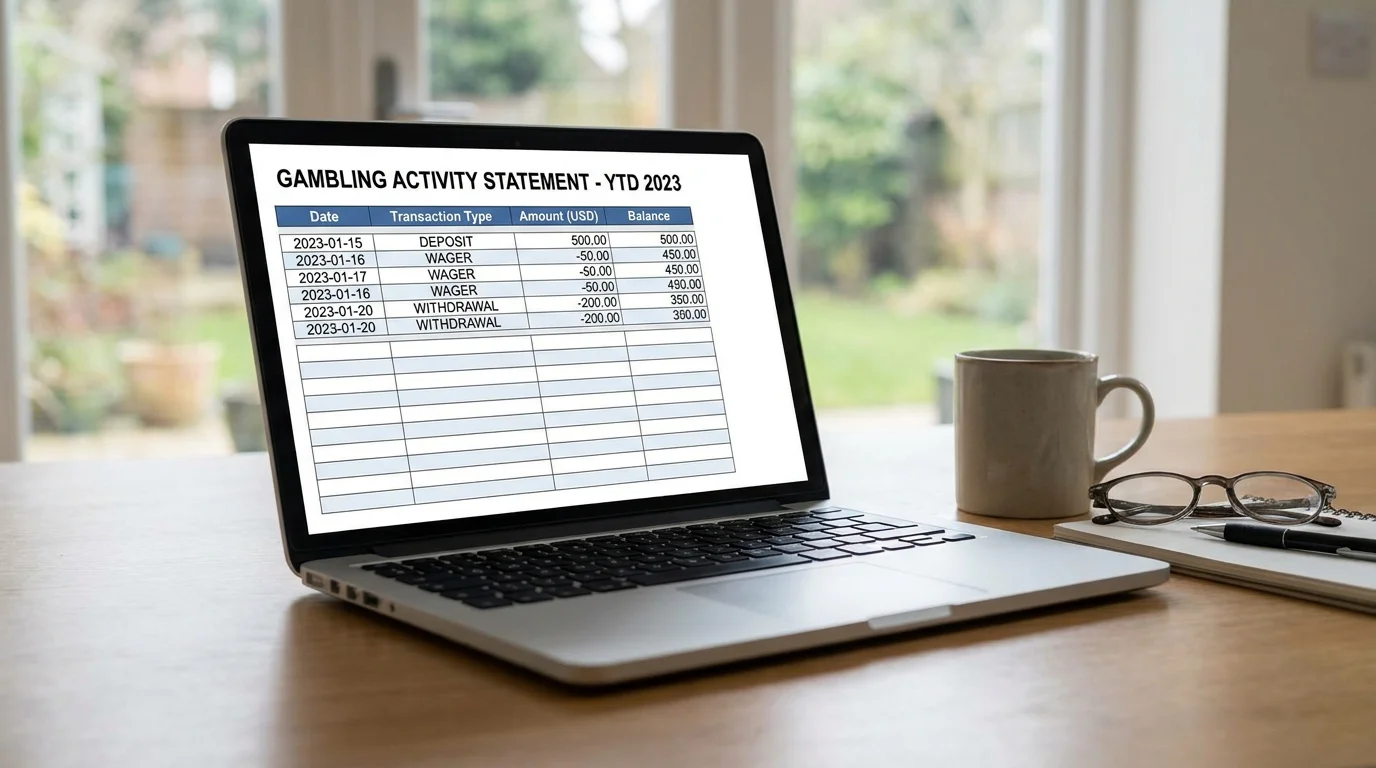
Activity statements are an underused resource. Every UKGC-licensed operator must provide a full transaction history, and most let you download it as a spreadsheet. I review my activity statements quarterly — not because I suspect a problem, but because the numbers on screen during a session rarely register the same way they do in a spreadsheet the following week. A bettor who deposited eight times in a month and withdrew twice has a net flow that’s immediately visible in the statement but almost invisible in real time. If you’ve never downloaded your transaction history, do it now. The data won’t lie to you.
Self-Exclusion: When a Break Isn’t Enough
Self-exclusion goes beyond a time-out. When you self-exclude from an operator, your account is closed for a minimum period (typically six months), all marketing communications cease, and any attempt to reopen the account is blocked. Individual operator self-exclusion is available through the responsible gambling section of every UKGC-licensed site and app.
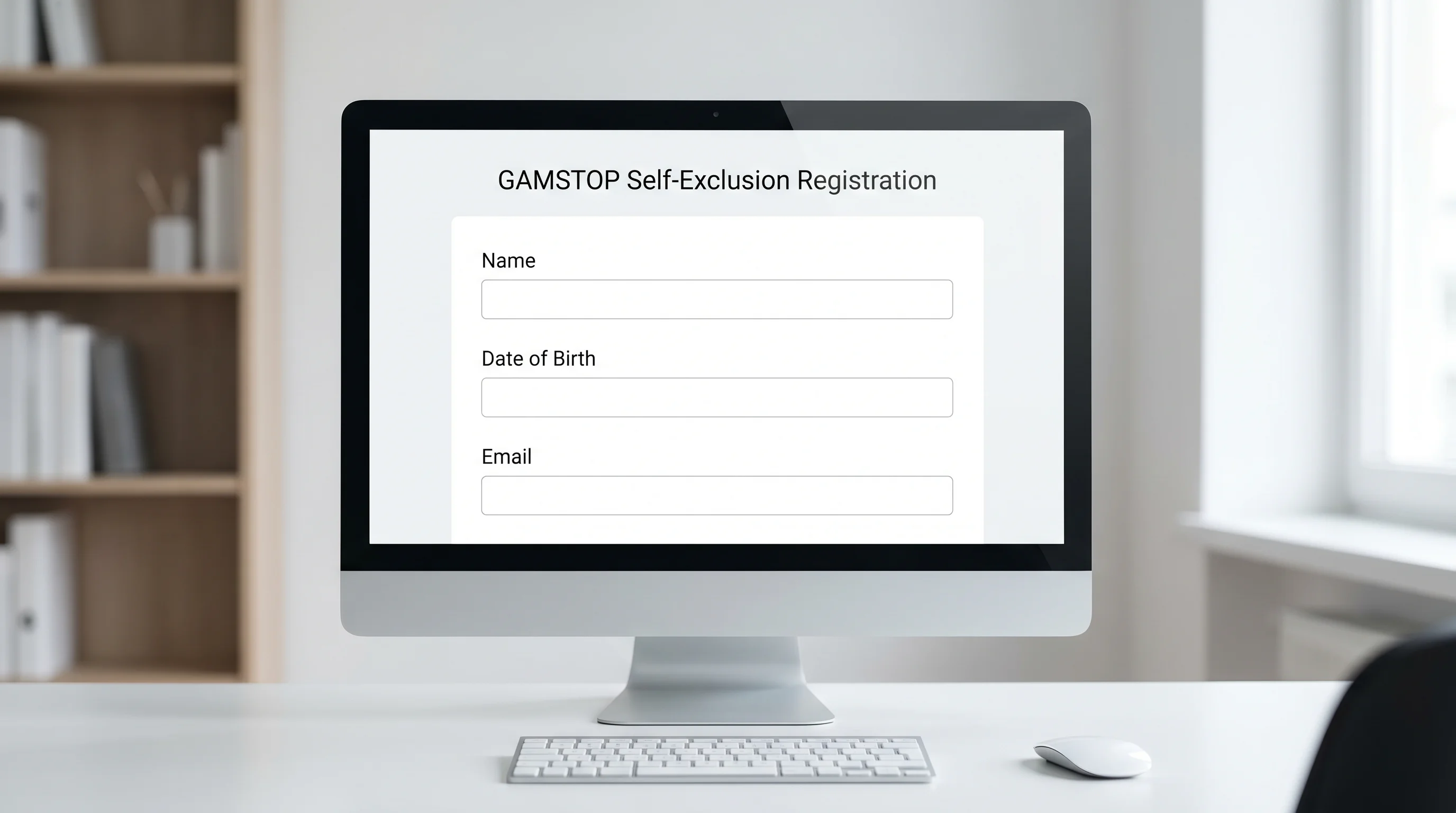
For those who need broader protection, GamStop self-exclusion covers all UKGC-licensed online operators through a single registration. It’s a national scheme, free to use, and it removes the need to self-exclude from each bookmaker individually. The existence of GamStop is one of the UK market’s genuine strengths — no other major jurisdiction offers an equivalent multi-operator scheme at this scale.
Where to Find Professional Support
If betting has moved from entertainment to something that’s causing you distress, financial difficulty, or relationship problems, professional support is available at no cost.
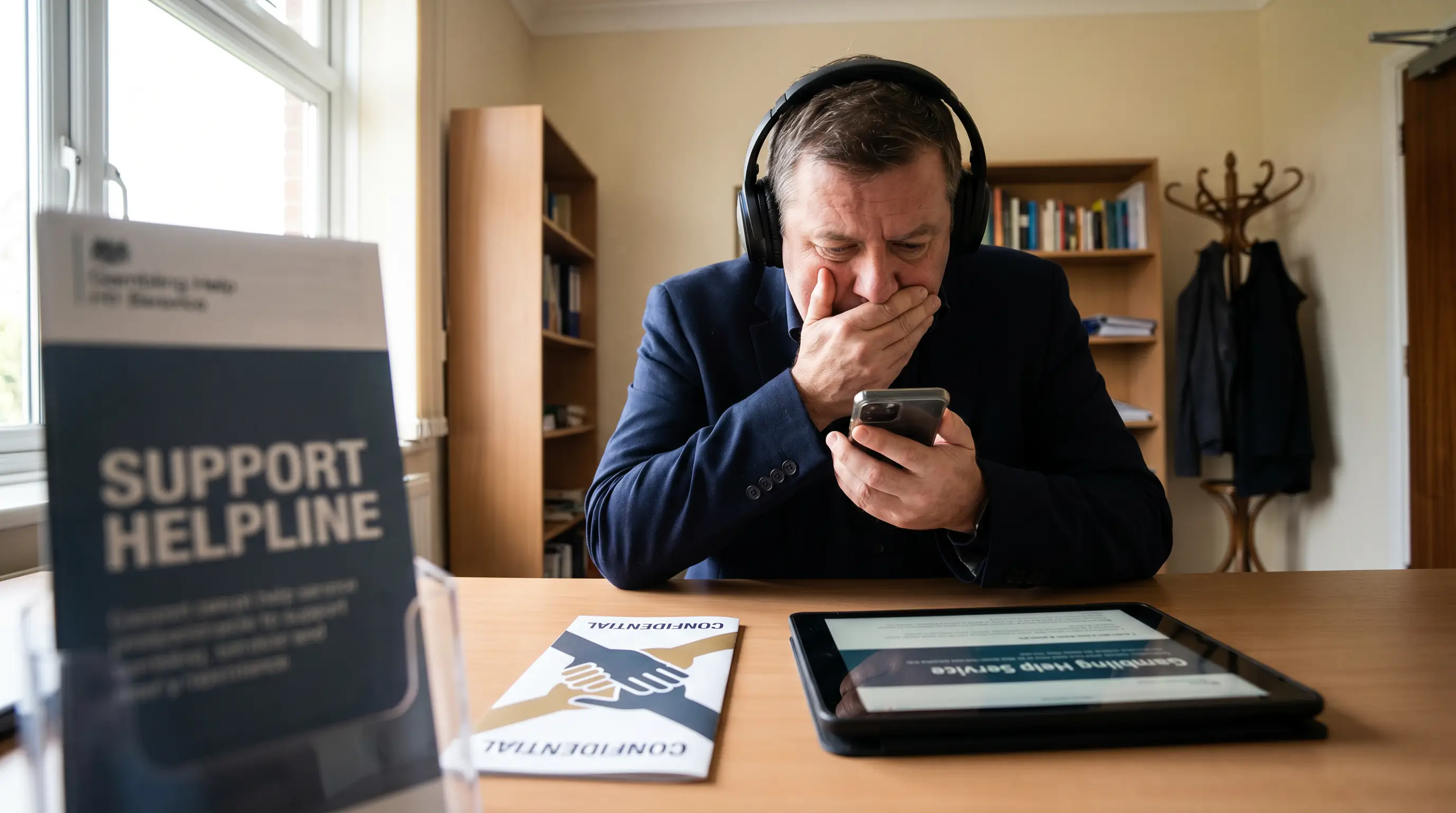
The National Gambling Helpline operates around the clock and offers confidential advice. GamCare provides counselling, online chat, and structured treatment programmes. The NHS offers specialist gambling clinics in multiple cities, with referral pathways through GPs and self-referral options. GambleAware funds research and treatment services and maintains a directory of support options on their website.
Reaching out to any of these services is not a sign of failure. It’s the kind of clear-headed decision-making that serious bettors should respect. The same analytical discipline that identifies value in a betting market should tell you when the risk profile of your gambling behaviour has shifted from manageable to harmful. Recognising that shift — and acting on it — is the most important decision any bettor can make.
Articles
Created by the "leaguebettips.com" editorial team.
