

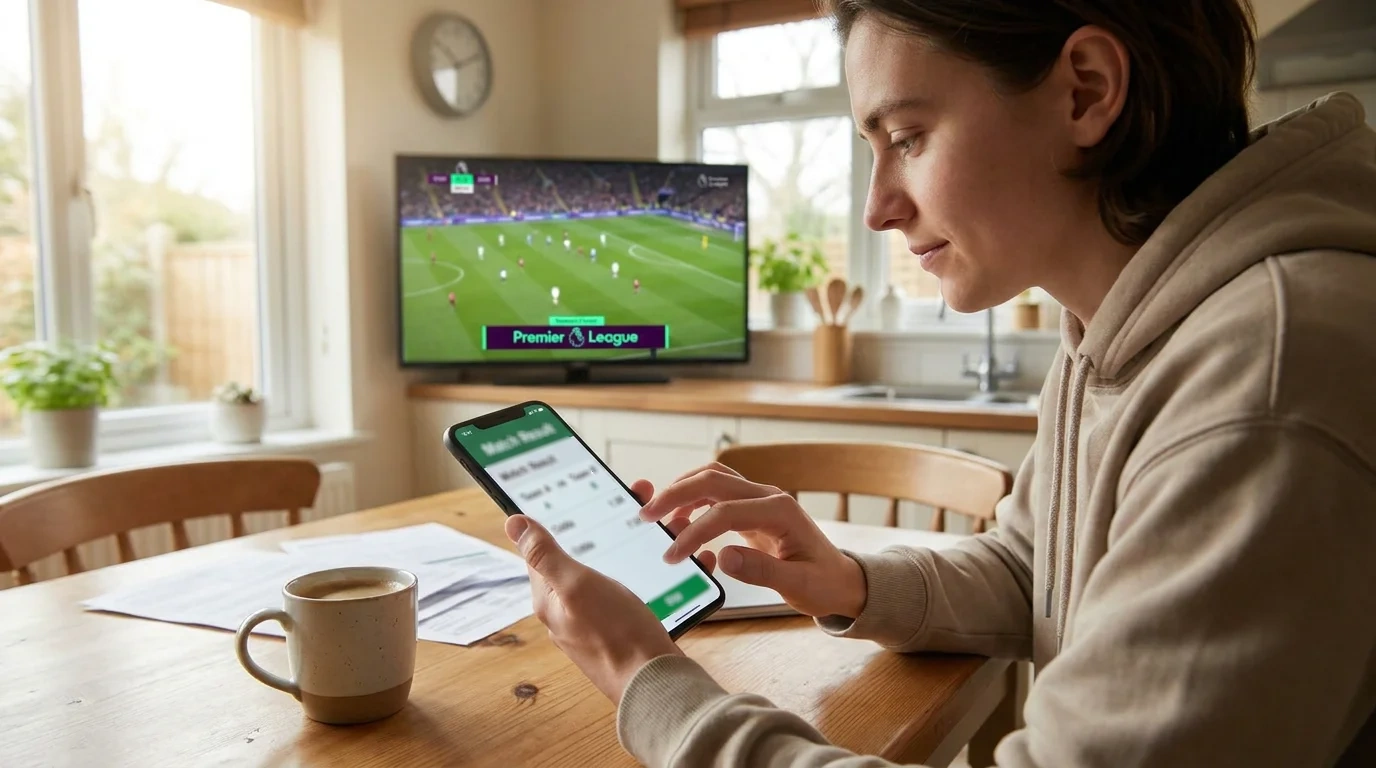
My first football bet was a disaster of enthusiasm over knowledge. I walked into a betting shop at 18, put five pounds on a four-fold accumulator because the slip looked impressive, and lost all four legs by half-time. The experience didn’t put me off — it made me curious. Why did those odds mean what they meant? Why did the bookmaker seem so confident my selections wouldn’t all land? Ten years later, I’m still answering those questions, and the first thing I tell anyone starting out is this: the learning is the point, and the money you risk while learning should be money you’re entirely comfortable losing.
Football betting in the UK is legal, regulated, and enormously popular. Seventeen million adults bet online in 2024, and football is the most popular sport for wagering — 5.8% of all UK adults place bets on it. If you’re reading this as someone who’s never placed a bet, or who’s placed a few casual ones without understanding what you were actually doing, this guide walks through the process from account opening to first bet, with every step explained in plain terms.
Opening an Account With a Licensed Bookmaker
Before you bet a single pound, you need an account with a UKGC-licensed bookmaker. The UK Gambling Commission licence is non-negotiable — it’s what ensures your money is protected, your data is secure, and the operator is legally accountable for fair treatment. The UK has 8,148 licensed gambling premises and hundreds of licensed online operators, so choice is not the issue. Picking wisely is.
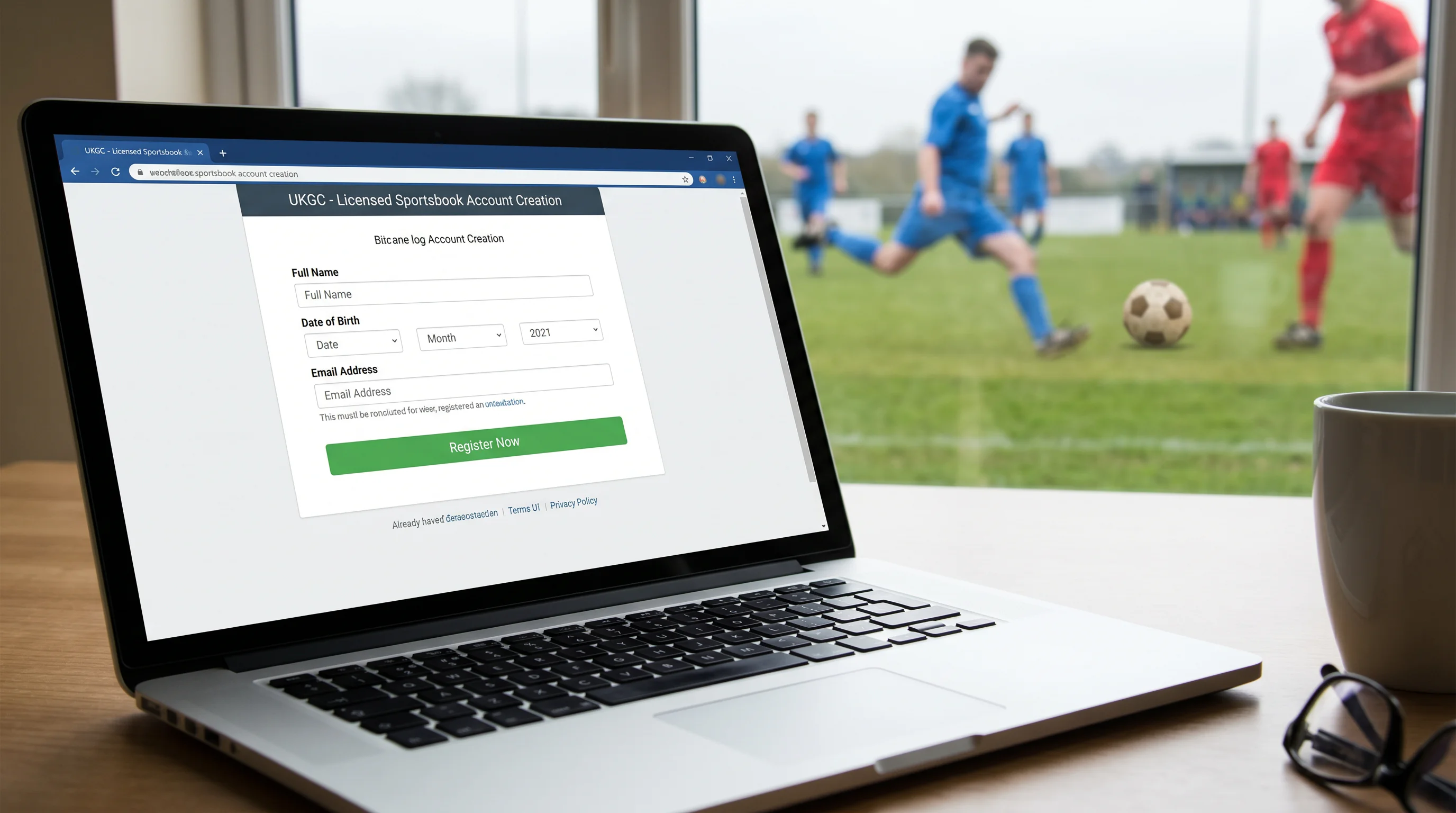
The registration process takes five to ten minutes. You’ll provide your name, date of birth, address, email, and a username and password. Every licensed operator must verify your identity before allowing you to bet — this typically happens automatically through electronic checks, but you may be asked to upload a photo ID (passport or driving licence) and proof of address. This verification isn’t optional or unusual; it’s a legal requirement designed to prevent underage gambling and fraud.
You must be 18 or older to bet in the UK. There are no exceptions, and operators face severe penalties for accepting underage bets. Zoë Osmond, GambleAware’s chief executive, has highlighted how digital technology has transformed how young people consume content, with mobile phone ownership widespread among teenagers — making age verification a critical protection that responsible operators enforce rigorously.
Understanding Odds: What the Numbers Mean
Odds tell you two things: how likely the bookmaker thinks an outcome is, and how much you’ll win if it happens. UK bookmakers display odds in fractional format by default — 5/1, 2/1, 4/6 — though you can switch to decimal format (6.00, 3.00, 1.67) in your account settings.
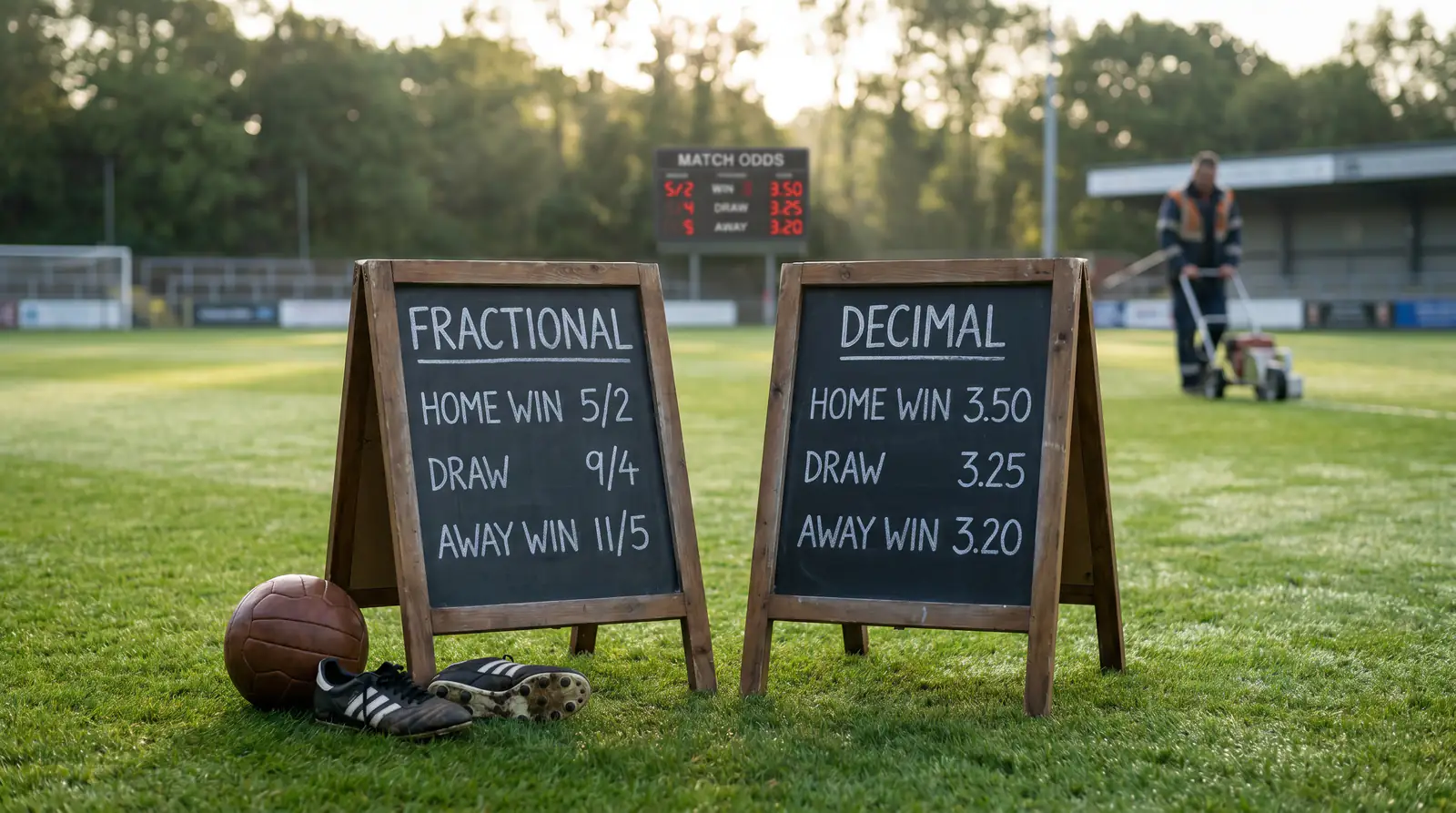
Fractional odds work like this: 5/1 means for every one pound you stake, you win five pounds profit if the bet lands, plus your original stake back. A two-pound bet at 5/1 returns twelve pounds total — ten pounds profit plus two pounds stake. Odds of 4/6 mean you stake six pounds to win four pounds profit — these are “odds-on” prices, indicating the bookmaker considers this outcome more likely than not.
Decimal odds are simpler: multiply your stake by the decimal number to get your total return. A ten-pound bet at 3.00 returns thirty pounds. A ten-pound bet at 1.50 returns fifteen pounds. The decimal format makes it easier to compare prices across bookmakers, which is why most experienced bettors prefer it. Mobile devices account for 71% of all online bets in the UK, and both odds formats are available in every major betting app.
Placing Your First Bet
Navigate to the football section of your bookmaker’s site or app. Select the match you want to bet on. Click on the outcome you want to back — home win, draw, or away win — and it appears on your bet slip. Enter your stake (the amount you want to bet), and the potential return is calculated automatically. Click “place bet,” and you’re done.
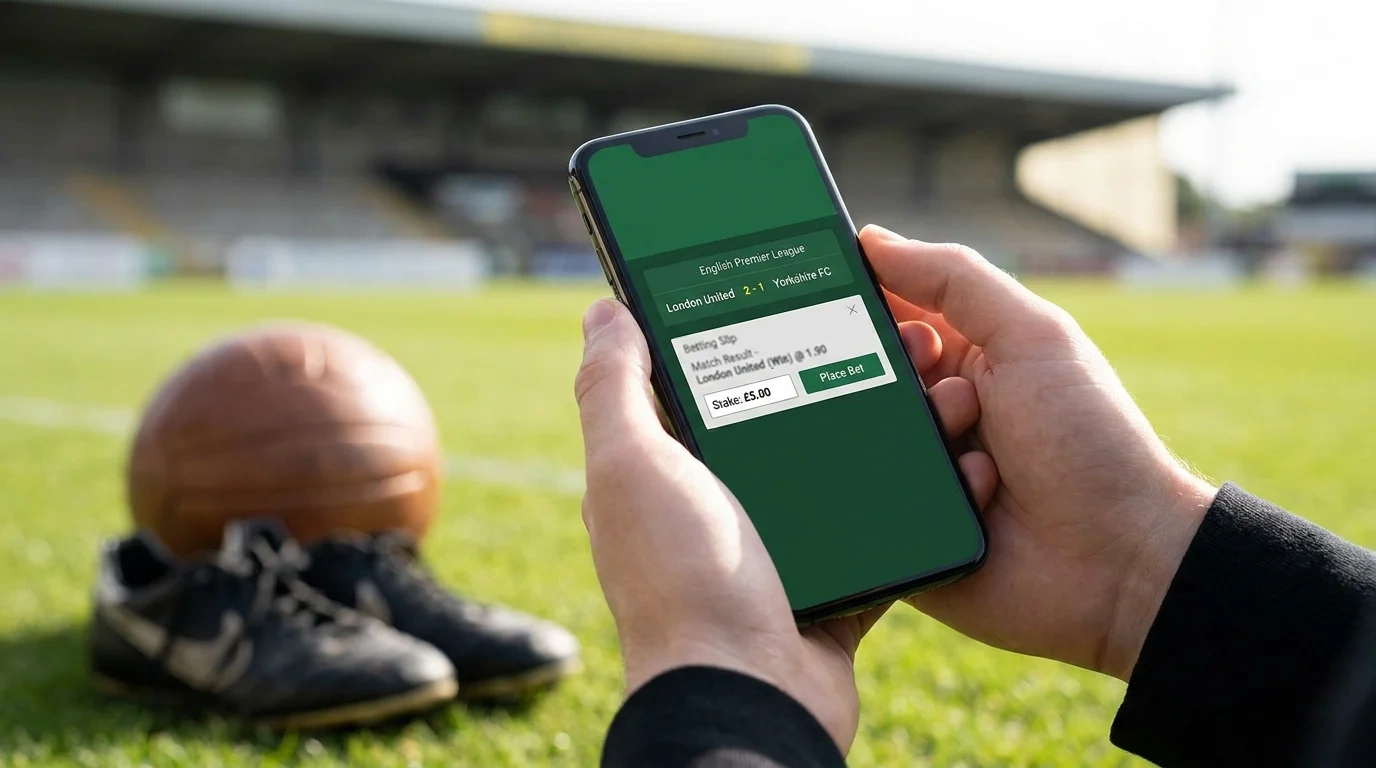
Start with a single bet on a match result. This is the simplest market: you’re predicting whether the home team wins, the away team wins, or the match ends in a draw. Don’t start with accumulators, bet builders, or exotic markets — those come later, once you understand how single bets work and how odds translate into real outcomes over time.
My recommendation for a first bet: stake no more than one or two pounds. The purpose isn’t to win money — it’s to experience the process. Watch the match with your bet in mind. Notice how the odds shift during live play. Pay attention to the emotions you feel when your selection is winning versus losing. That self-awareness is more valuable than any amount of analytical theory, because it tells you how you personally respond to risk and uncertainty.
Mistakes That Cost Beginners the Most
The most expensive beginner mistake is chasing losses. You lose your first bet, so you double the stake on the next one to “get it back.” This is the single behaviour that turns recreational betting into a financial problem faster than anything else. If you lose, accept the loss. The next bet should be the same size as the one before it, based on your analysis of a new fixture — not based on the result of the last one.

The second mistake is betting on your own team. Emotional attachment distorts your assessment of probabilities. I’ve supported the same club for thirty years, and I never bet on their matches — not because I don’t have opinions about how they’ll perform, but because I know those opinions are contaminated by hope. Bet on matches where your analysis is cold, not warm.
The third mistake is ignoring the bookmaker’s margin. The odds offered always include a margin that ensures the bookmaker profits regardless of the outcome. A match result market with odds of 2.50 / 3.20 / 2.80 implies a total probability of 106.3% — the excess 6.3% is the bookmaker’s edge. Understanding that this margin exists, and that it works against you on every bet, is the single most important conceptual step a beginner can take.
Setting Limits Before You Start
Every UKGC-licensed operator provides deposit limits, loss limits, and time-out options. Set these before you place your first bet. A weekly deposit limit of twenty or thirty pounds is sensible for a beginner — enough to place several bets across a matchday without risking meaningful money. You can always increase the limit later, but the 24-hour cooling-off period for increases means you can’t raise it impulsively mid-session.
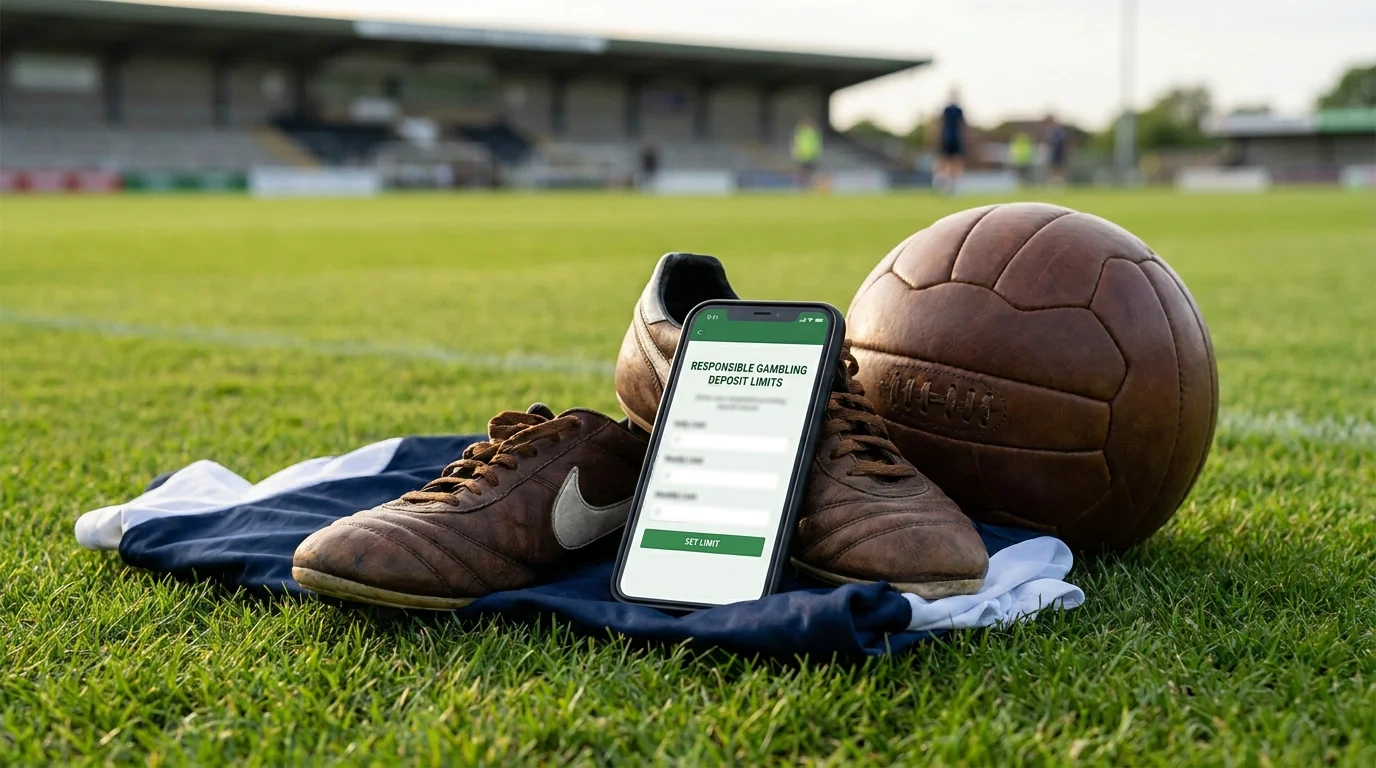
The broader principle is this: decide your budget before you open the app, not while you’re looking at the odds. The excitement of a live match and the availability of in-play markets create an environment designed to encourage impulsive decisions. Your protection against that environment is a set of limits established when you’re calm, rational, and not watching football.

For a deeper understanding of how fractional and decimal odds work and what the bookmaker’s margin means for your returns, football betting odds explained provides the full numerical framework that every bettor needs.
Articles
Prepared by the leaguebettips.com editorial staff.
